Category: News

  • Nová vysokoškolská učebnica ako jeden z výstupov projektu CUSEC

    New University Textbook as an Output of the CUSEC Project

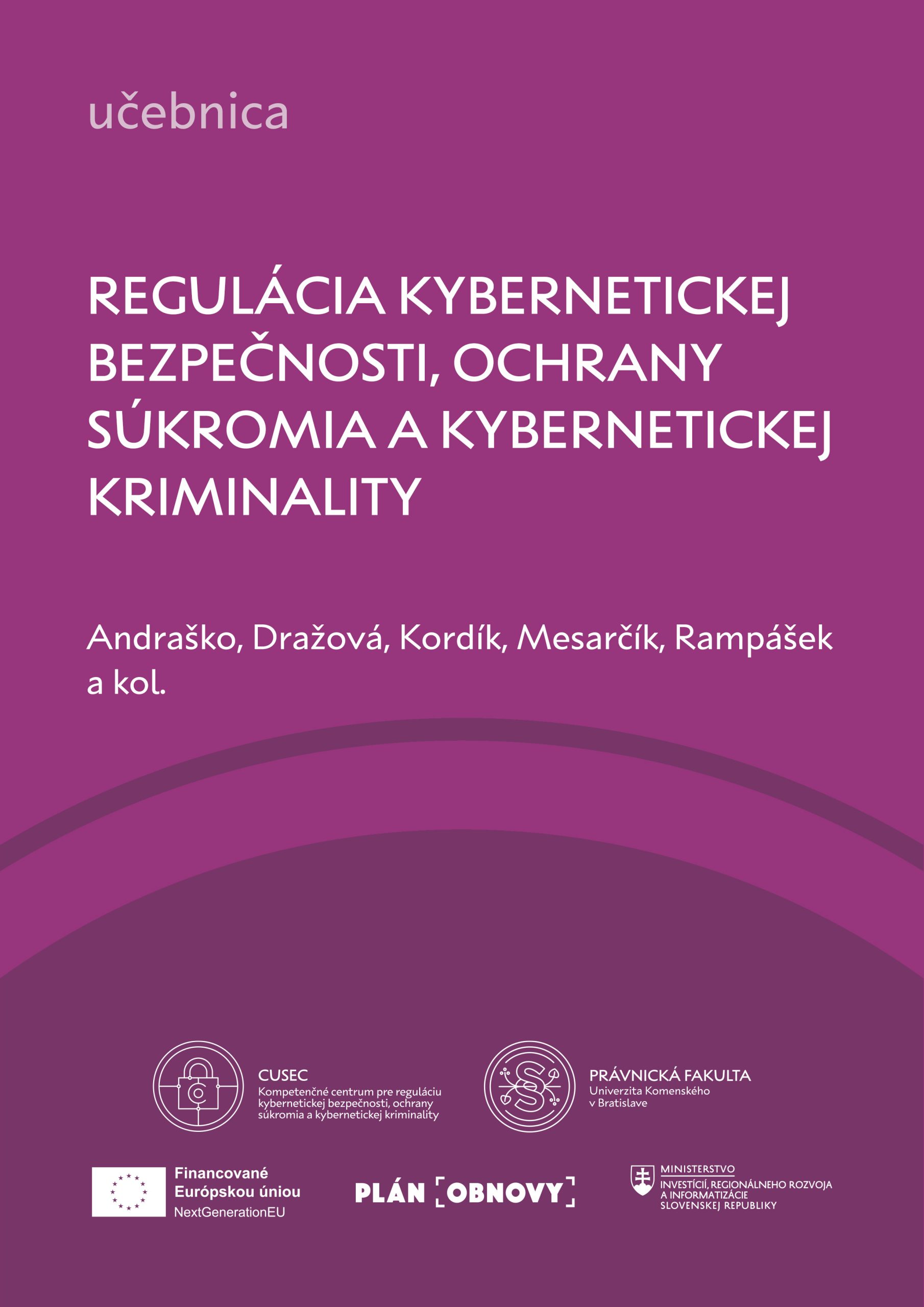
    One of the significant outputs of the project “Competence Centre for the Regulation of Cybersecurity, Privacy and Cybercrime” (CUSEC) is the new university textbook Regulation of Cybersecurity, Privacy and Cybercrime, published by the Faculty of Law of Comenius University Bratislava in 2026.

    The project is funded by the European Union NextGenerationEU through the Recovery and Resilience Plan of the Slovak Republic under Project No. 17R05-04-V01-00002.

    The collectively authored textbook provides a systematic and academically grounded overview of the legal regulation of cybersecurity, privacy and personal data protection, and cybercrime. It connects the theoretical foundations of cybersecurity with its constitutional and fundamental-rights dimensions, the legal frameworks of the European Union and the Slovak Republic, administrative liability, international law aspects, the criminal-law regulation of cybercrime, and the cybersecurity of operational technologies. It also addresses current regulatory developments, including the NIS 2 Directive, the Cyber Resilience Act (CRA), the DORA Regulation, personal data protection, and the cybersecurity of artificial intelligence systems and models.

    The objective of the textbook is not merely to provide an overview of applicable legislation. It seeks in particular to help students and other learners understand the interconnections between technological risks, the protection of fundamental rights, regulatory obligations, organisational accountability, and criminal-law mechanisms for protecting the digital environment.

    The textbook will serve as one of the principal study materials for the courses Cybersecurity Law, Cybersecurity Law Clinic, Cybercrime Law, and Personal Data Protection taught at the Faculty of Law of Comenius University Bratislava. t will also be used in lifelong learning courses provided by the CUSEC Competence Centre, thereby extending its educational use to a broader range of participants from academia, public administration, and professional practice.

    Its integration into both university teaching and lifelong learning will contribute to transferring current legal scholarship into practice and to strengthening professional capacities among public authorities, regulated entities, legal professionals, cybersecurity specialists, and other professionals working in the digital environment.

    The publication of the textbook therefore also contributes to one of the core objectives of the CUSEC project: strengthening professional and educational capacities in areas that are becoming increasingly important for the secure and trustworthy functioning of the digital society.

    Odkaz na učebnicu: https://www.flaw.uniba.sk/fileadmin/praf/Pracoviska/Ustavy/UPITPDV/E-KNIHY/CUSEC_ucebnica_2026_final.pdf

  • Zástupcovia kompetenčných centier diskutovali o spolupráci a udržateľnosti

    Zástupcovia kompetenčných centier diskutovali o spolupráci a udržateľnosti

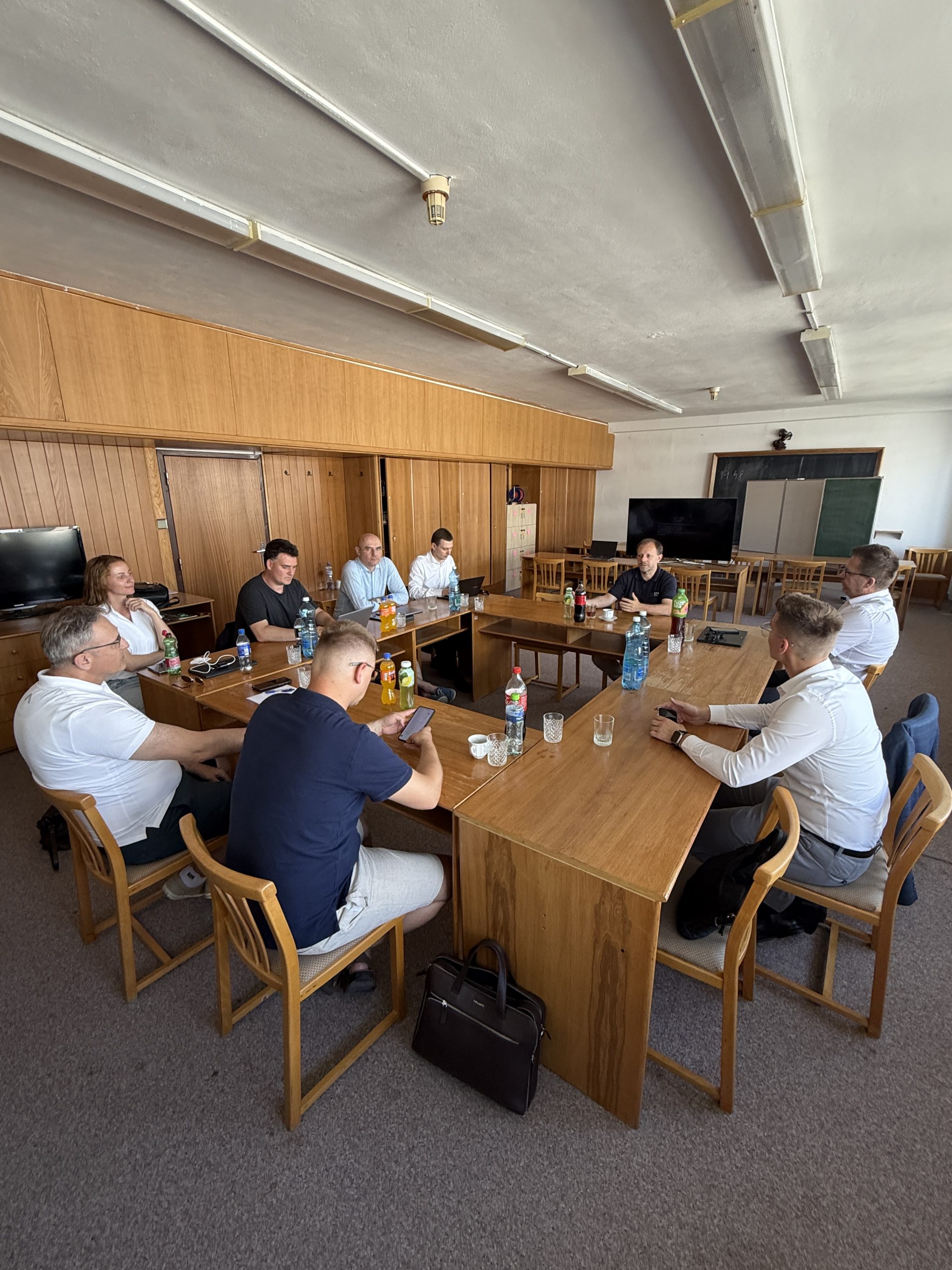
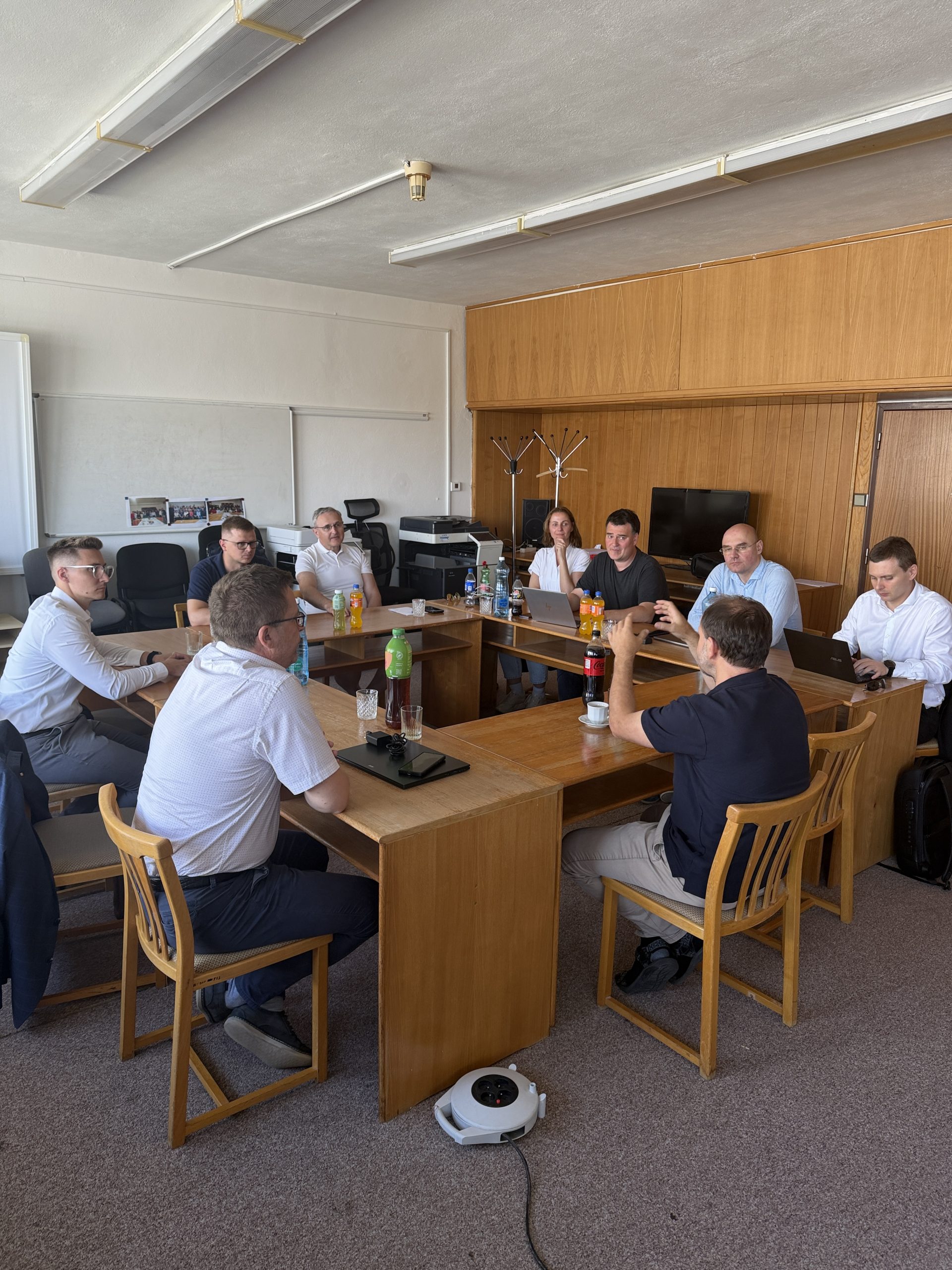
    Dňa 23. júna 2026 sa na pôde Fakulty elektrotechniky a informatiky STU v Bratislave uskutočnilo pracovné stretnutie zástupcov kompetenčných centier kybernetickej bezpečnosti. 
    Za CUSEC – Kompetenčné centrum pre reguláciu kybernetickej bezpečnosti, ochrany súkromia a kybernetickej kriminality sa na stretnutí zúčastnil jeho garant doc. JUDr. Jozef Andraško, PhD. a projektový manažér Ing. Mário Schrenkel.

    Stretnutie vytvorilo priestor na výmenu skúseností z realizácie projektových aktivít, vzdelávacích podujatí a odbornej spolupráce medzi jednotlivými kompetenčnými centrami. Diskusia sa sústredila najmä na možnosti ďalšej koordinácie aktivít, využitie dosiahnutých výstupov v praxi a zabezpečenie dlhodobej udržateľnosti kompetenčných centier.

    Účastníci zároveň zdôraznili potrebu ďalšej grantovej podpory, ktorá je nevyhnutná na pokračovanie odborných, vzdelávacích a výskumných aktivít kompetenčných centier aj po skončení realizácie projektu. Spoločným záverom stretnutia bola zhoda na význame pravidelnej komunikácie, výmeny poznatkov a pokračovaní spolupráce v oblasti kybernetickej bezpečnosti.

  • Workshop – Kybernetická bezpečnosť v ére umelej inteligencie

    Workshop - cybersecurity in the era of artificial intelligence

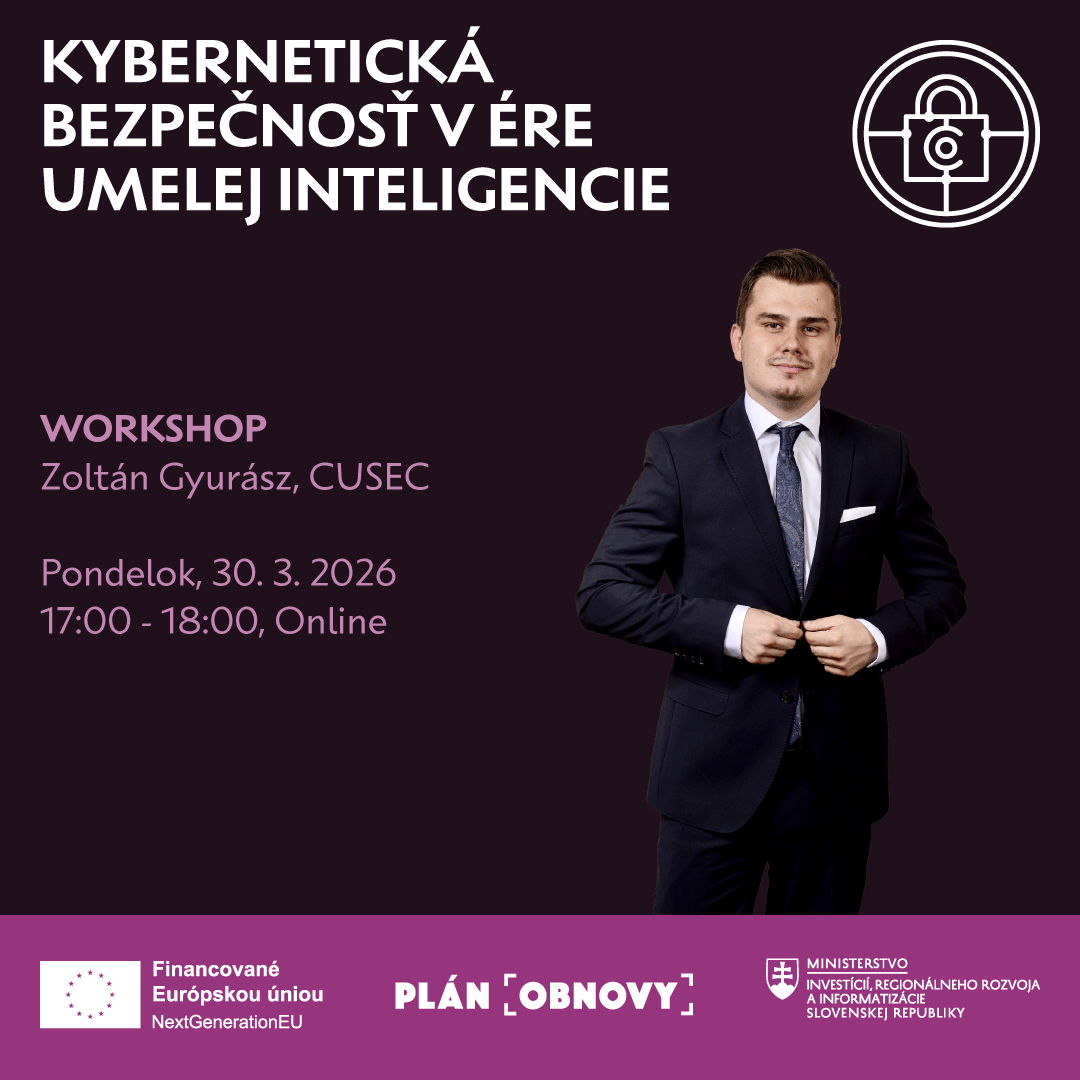
    At the workshop led by dr. Zoltán Gyurasz a comprehensive view of the connection between artificial intelligence and cybersecurity was heard - a topic that today can no longer be perceived only as the protection of systems, but rather as a question of their robustness, trustworthiness and legal framework.

    👉 Key ideas:
    • AI as a new security vector
    Artificial intelligence systems face specific threats - from adversarial attacks (avoidance) to data poisoning to information leakage or component compromise. Protection must cover the entire ecosystem.

    • Security ≠ just technology
    Effective AI protection requires a combination of:
    ✔️ organizational measures
    ✔️ technical solutions
    ✔️ specific AI mechanisms
    Standardization and an interdisciplinary approach also play a vital role.

    • AI as a defense tool
    Artificial intelligence is already strengthening Cybersecurity today - especially in the area of:
    🔎 anomaly detection
    ⚙️ reaction automation
    📊 attack analysis
    🤝 information sharing

    • AI as an attack tool
    However, the same technologies also enable more sophisticated and convincing cyber attacks. This is a classic "dual-use" problem.

    👉 Conclusion:
    AI security cannot be narrowed down to a legal framework or isolated technical measures. The key is:
    ✔️ protect the system as a whole
    ✔️ ensure data quality
    ✔️ maintain transparency
    ✔️ implement human supervision
    ✔️ manage risks throughout the entire life cycle

    🎥 You can watch the entire recording at: https://www.youtube.com/watch?v=SJycXESfcWE

  • Kybernetická bezpečnosť v ére umelej inteligencie

    Cybersecurity in the era of artificial intelligence

    We invite you to a professional online workshop focused on the current challenges of cybersecurity in the context of the dynamic development of artificial intelligence.

    📅 Date: 30. 3. 2026
    ⏰ Time: 17:00 – 18:00
    💻 Forma: Online (MS Teams)
    🔗 Connection link: https://teams.microsoft.com/meet/34355847547902?p=dAOJAXb1Nj3N54Ufqp

    👨‍🏫 Workshop povedie:
    JUDr. Zoltán Gyurasz, PhD.
    (CUSEC, Faculty of Law, UK)

    📚 Obsah workshopu:
    You will get an overview of:

    • current threats in cyber space
    • the effects of artificial intelligence on system security
    • legal and practical aspects of information protection
    • recommendations for organizations and individuals

    More information about the content:
    👉 https://cusec.flaw.uniba.sk/celozivotne-vzdelavanie/workshopy/
    👉 https://cusec.flaw.uniba.sk/wp-content/uploads/2025/07/KYBERNETICKÁ-BEZPEČNOSŤ-V-ÉRE-UMELEJ-INTELIGENCIE-_workshop.pdf

    🎯 The workshop is intended for professionals and the general public with an interest in law, IT and security.

    📢 Don't miss the opportunity to gain up-to-date knowledge from a field that shapes the future!

    #KybernetickaBezpecnost #AI #PravoIT #CUSEC #Workshop #Vzdelavanie

  • Automatizované vozidlá a právo: regulačné výzvy pre budúcnosť mobility

    Automated vehicles and the law: regulatory challenges for the future of mobility

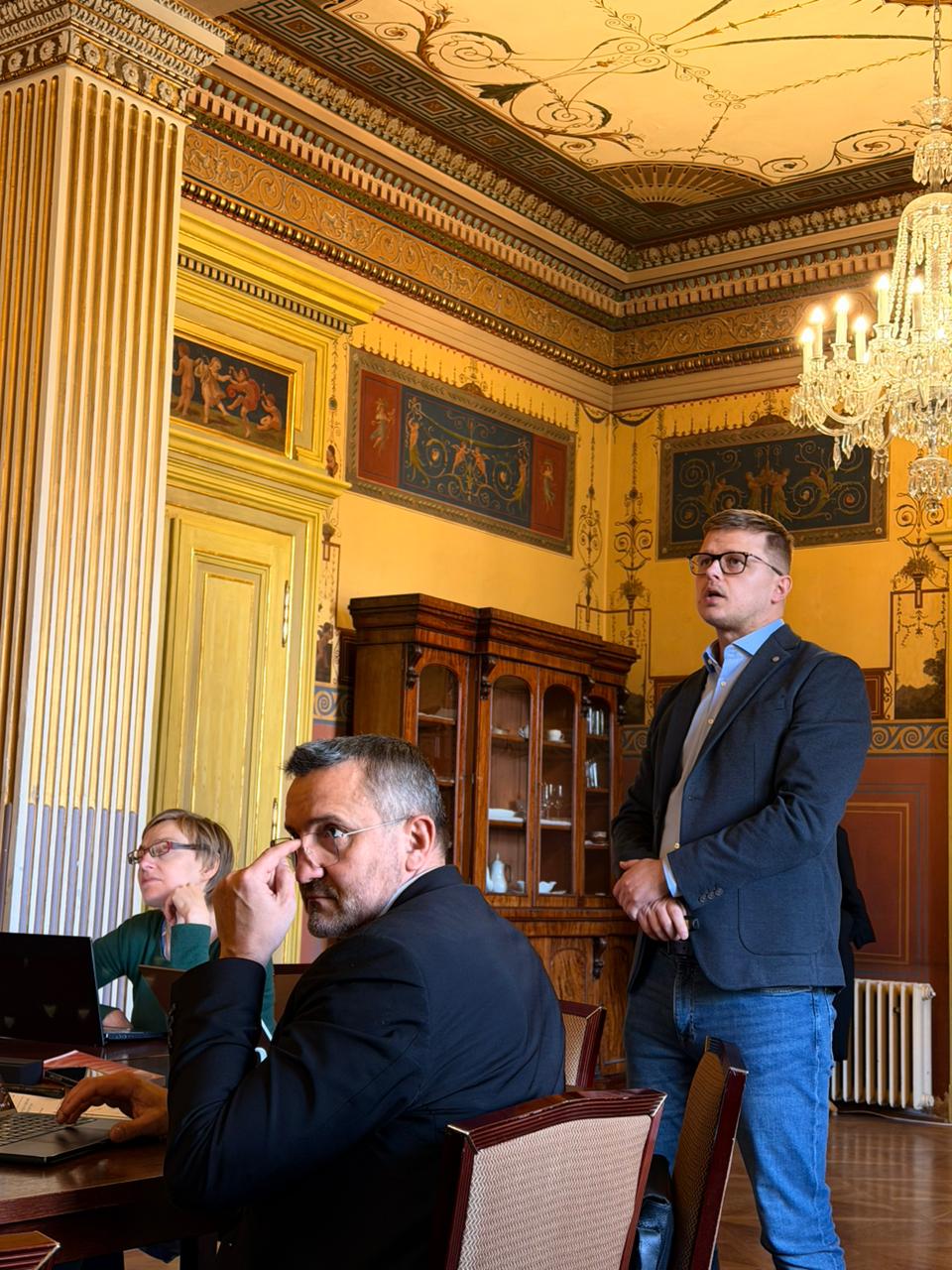
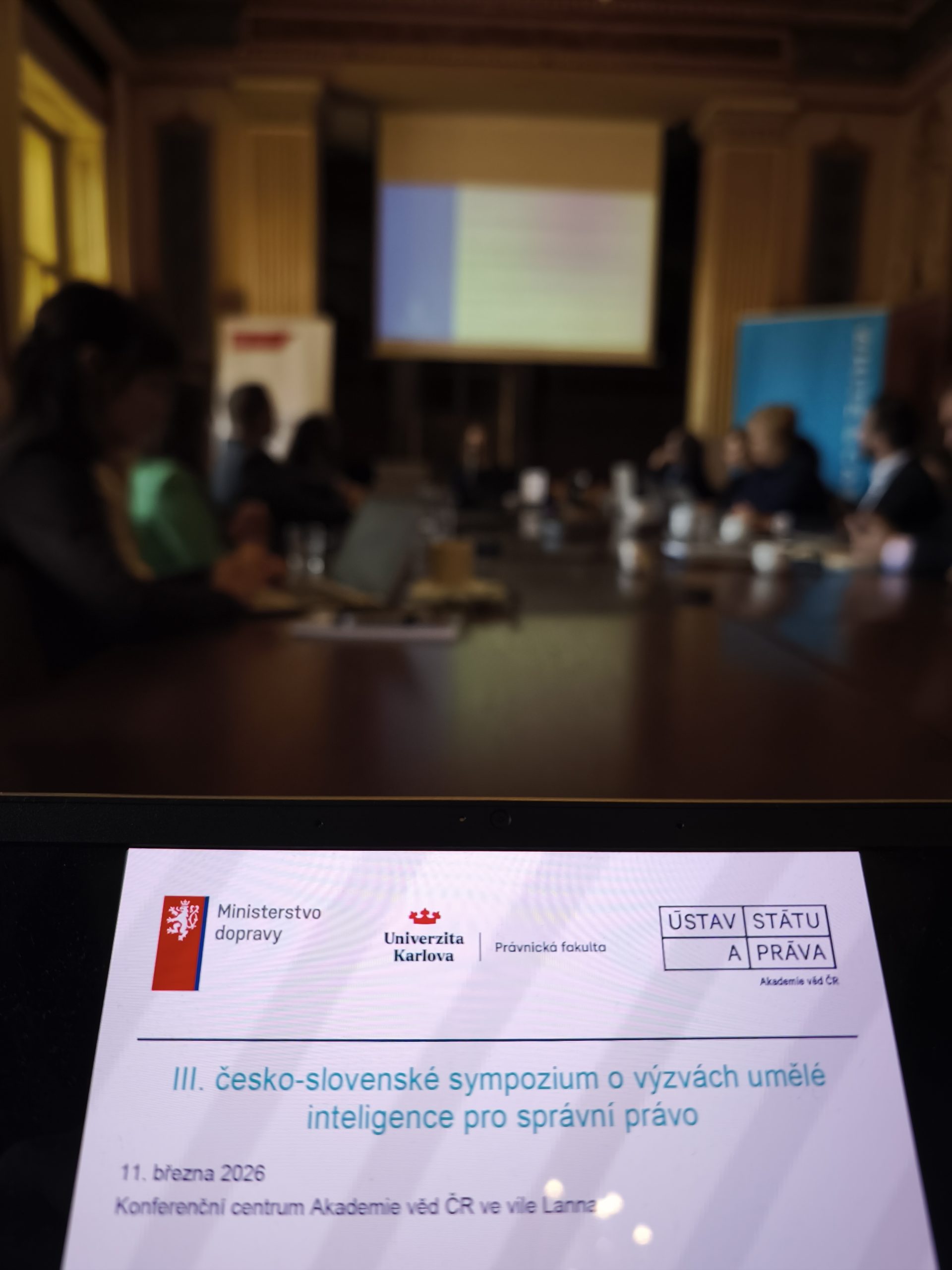
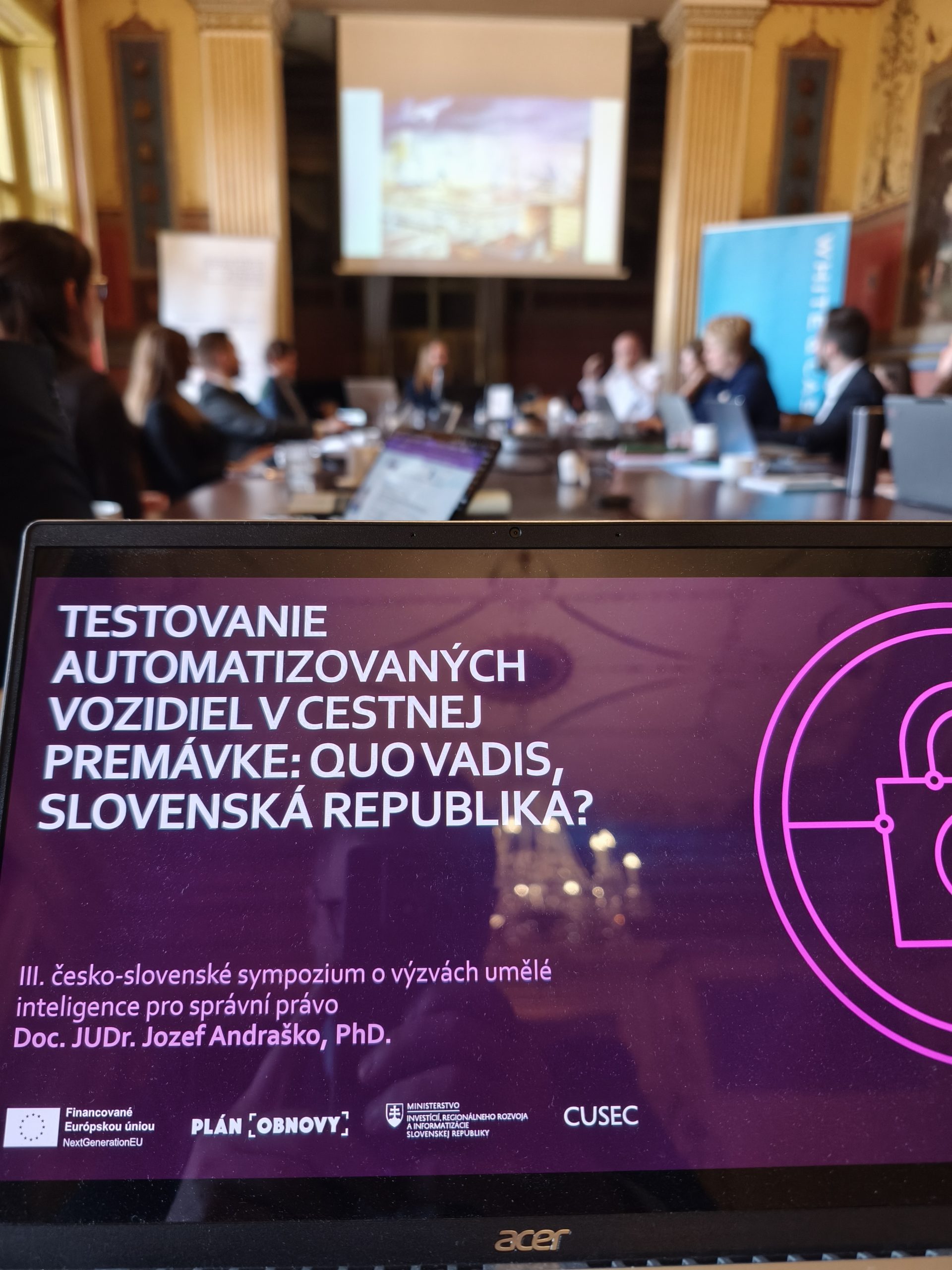
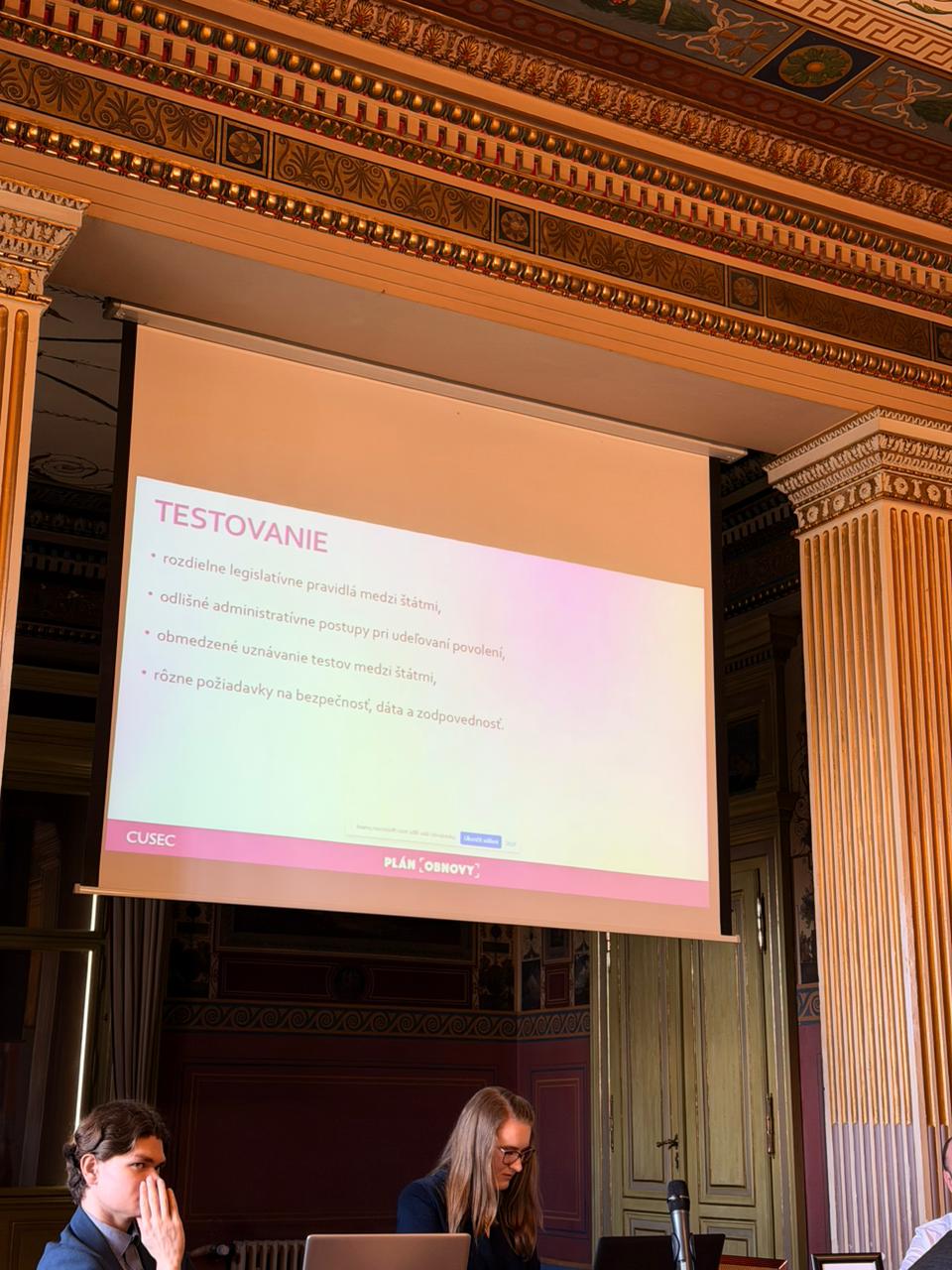
    Within the project CUSEC stepped out doc. JUDr. Jozef Andraško, PhD. on III. Czech-Slovak symposium on the challenges of artificial intelligence for administrative law, which took place in the Conference Center of the Academy of Sciences of the Czech Republic (Villa Lanna) in Prague. 

    Post titled "Testing automated vehicles in road traffic: Quo Vadis, Slovakia?" addressed the current regulatory framework in Slovakia and broader international developments in the field of testing and validation of automated control systems. The discussion also touched on important issues Cybersecurity, privacy protection and Cybercrime risks, which are connected with the development of new mobility technologies. 

    The symposium brought together leading practitioners and academics to discuss the current legal and regulatory challenges associated with artificial intelligence – including regulatory sandboxes, AI governance and the use of new technologies in public administration.

    The event also provided space for a meeting and discussion with important experts in this field, including Prof. Mr. dr. Sofie Ranchordás (Tilburg University) whether PhDr. Tereza Čížková from the Ministry of Transport of the Czech Republic, as well as with other experts and speakers.

    We thank the organizers for stimulating discussions and space for the exchange of professional knowledge.

  • Odborná stáž v rámci projektu CUSEC na TalTech Law School

    Professional internship within the CUSEC project at TalTech Law School

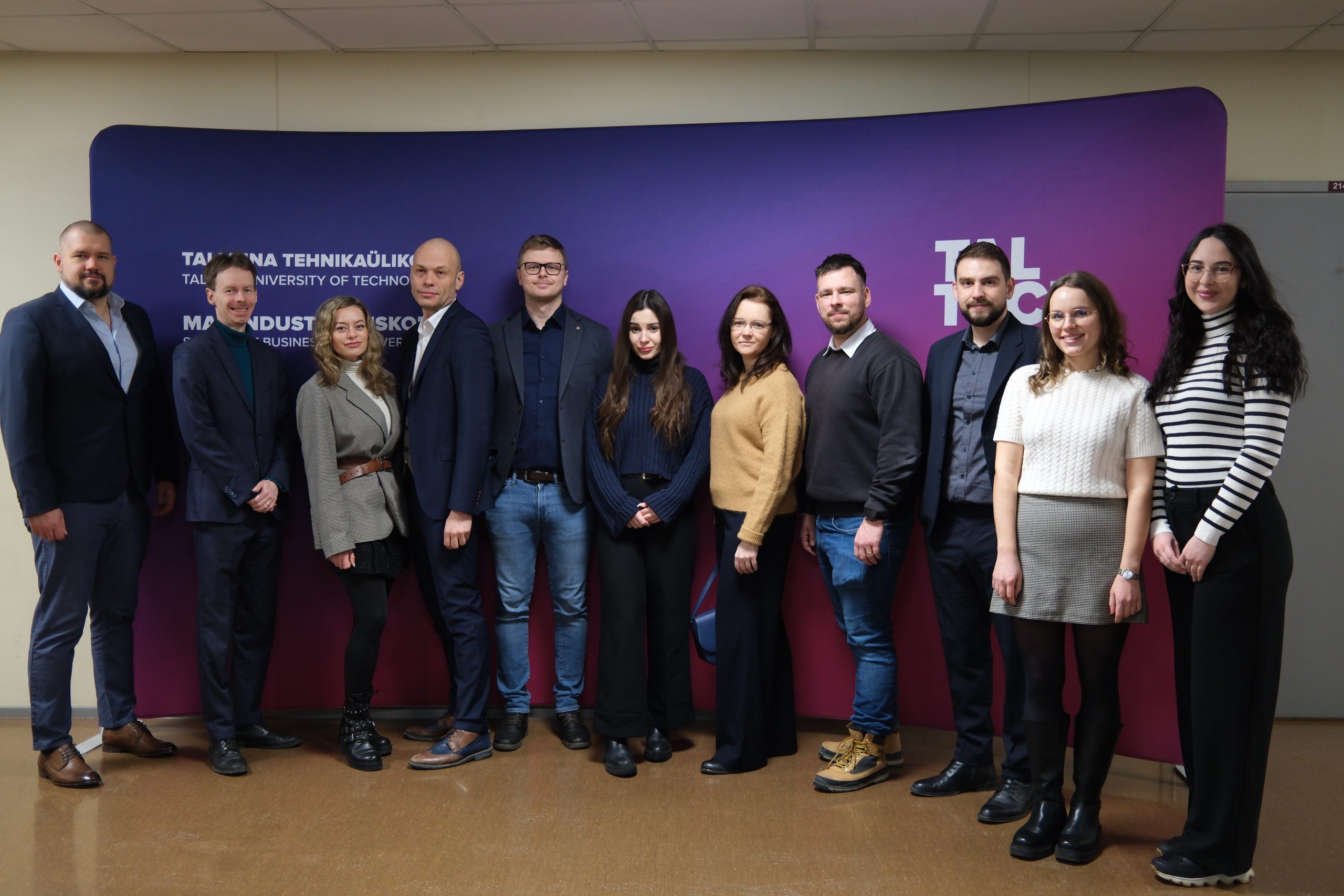
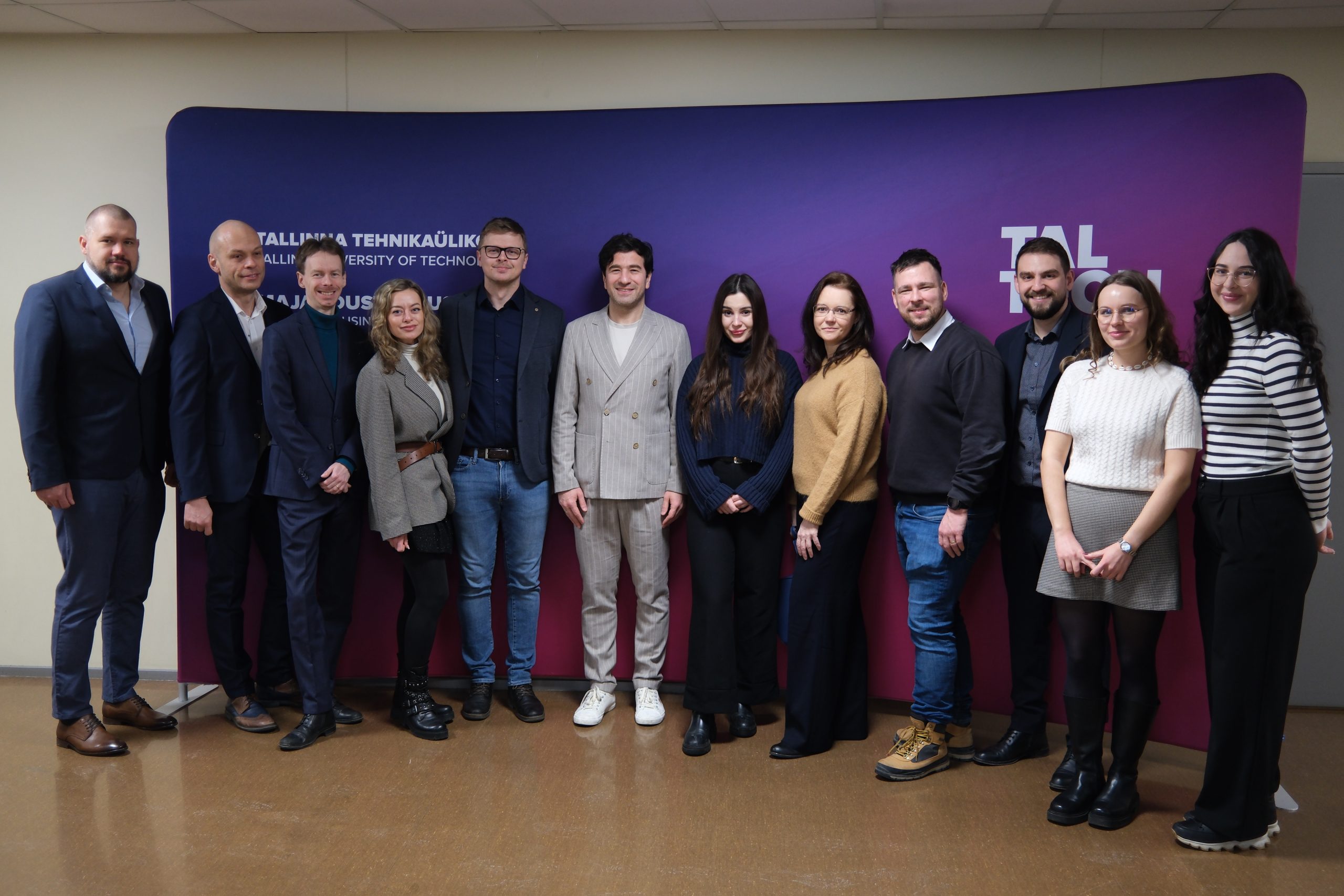
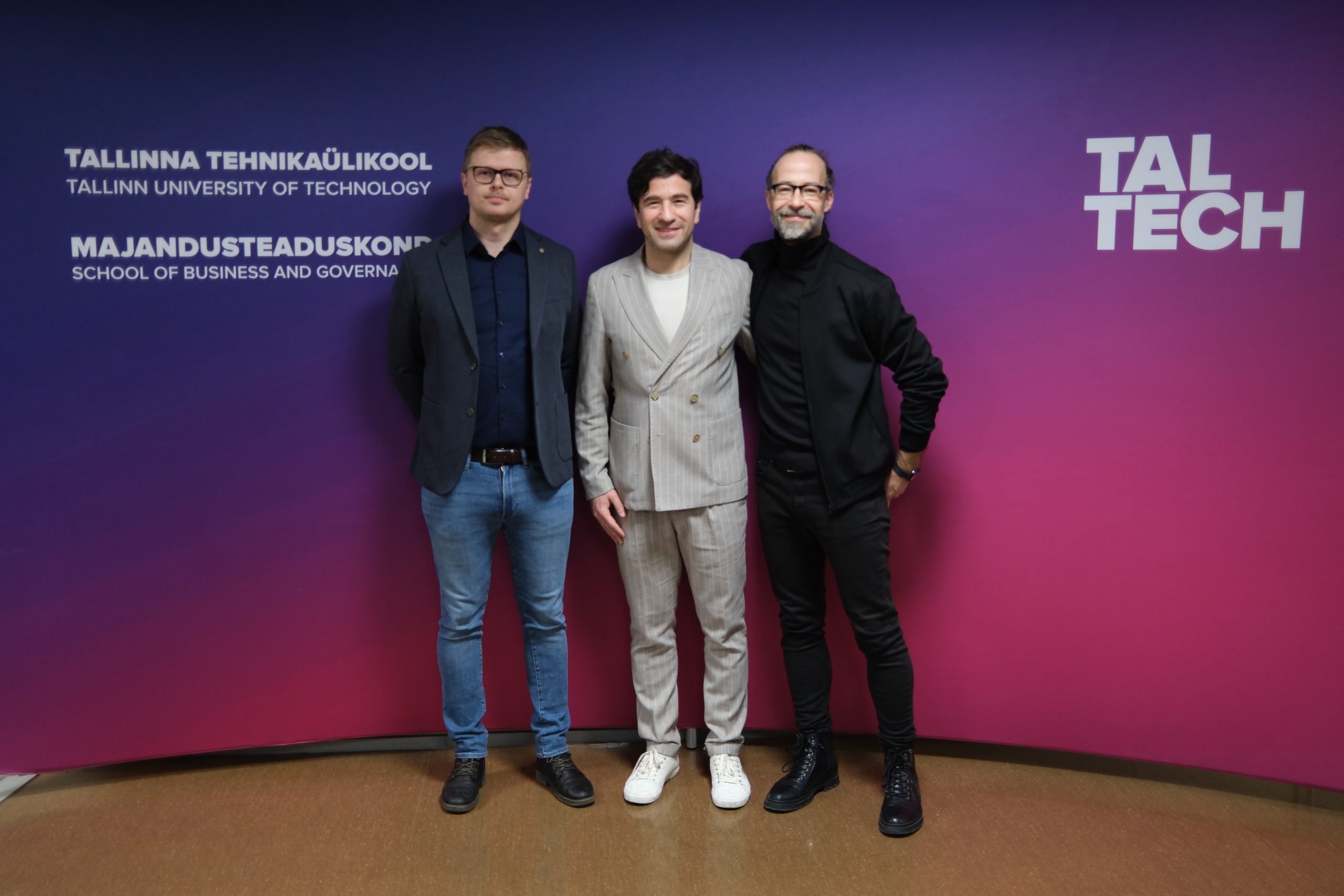
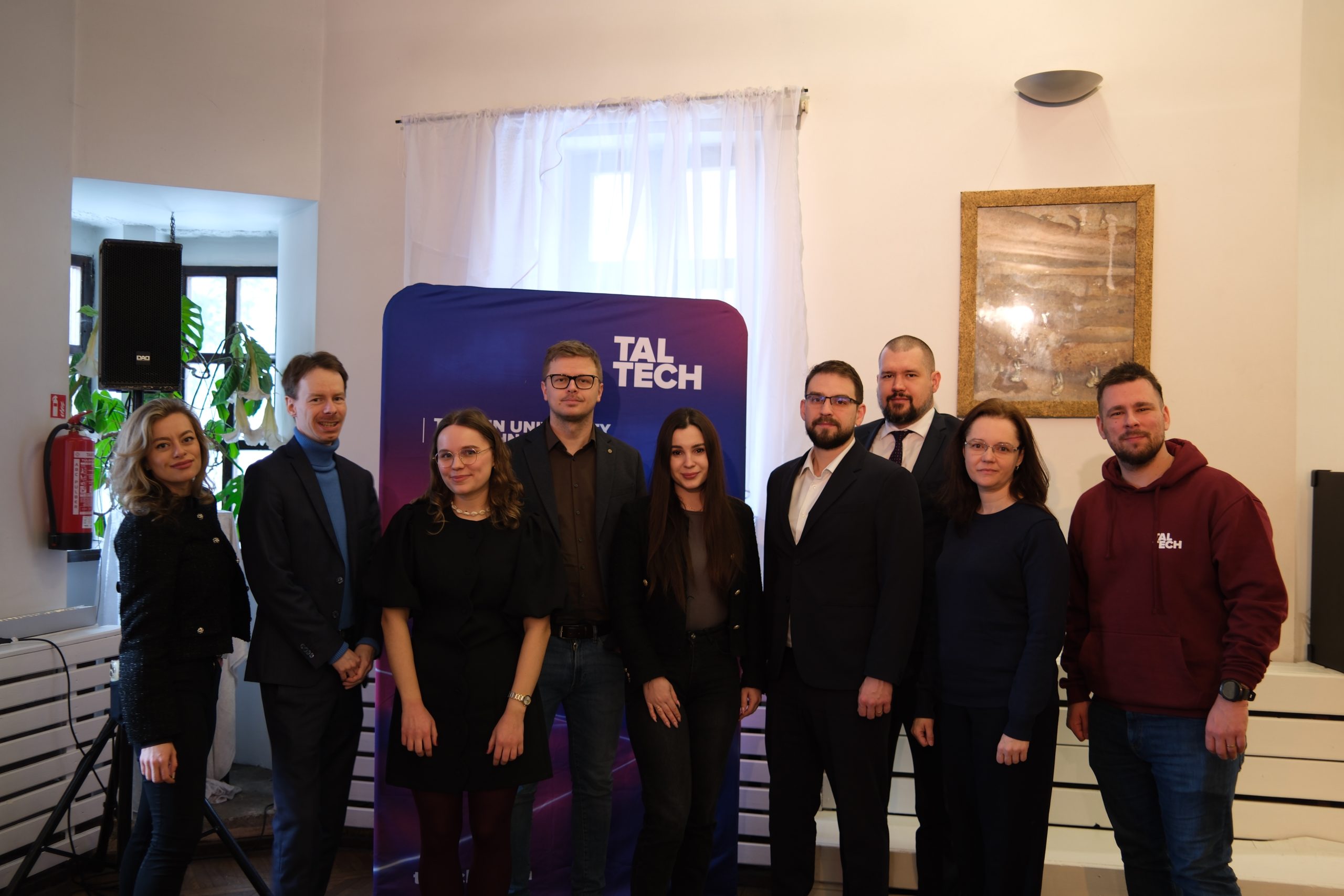
    Members of the investigative team CUSEC project completed a professional internship on February 23, 2026 – February 27, 2026 at TalTech – Tallinn University of Technology, Department of Law (TalTech Law School). 🌍🎓

    During the internship, scientific consultations took place with members of TalTech Law School, focused mainly on current issues of cybersecurity regulation, privacy protection and Cybercrime. 🔐💻

    The program also included the completion of the Cybersecurity Regulation, Privacy and Cybercrime professional training, which provided an opportunity to deepen professional knowledge and exchange experiences in the field of law and technology. 📚⚖️

    The members of the research team also participated in the international conference LAITECH2026 - The Law, Ethics and Policies of AI and Future Technologies, dedicated to the legal, ethical and political aspects of artificial intelligence and future technologies. 🤖🌐

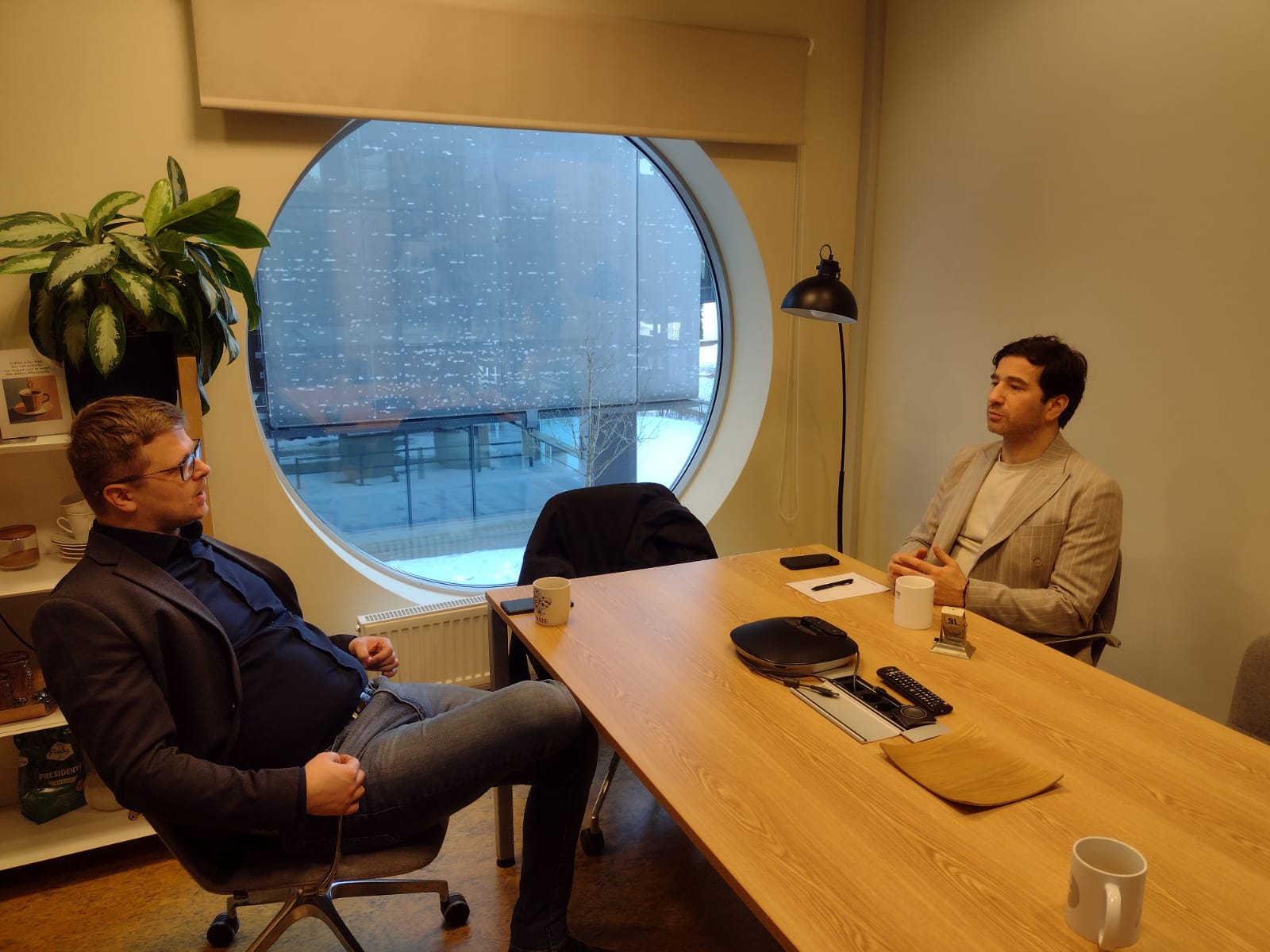
    As part of the working meetings, there was also a meeting with the director of the Department of Law, TalTech - Archil Chochi, during which possible cooperation in the field of education and scientific research between the institutions was discussed. 🤝

    We thank the partners from TalTech Law School for stimulating discussions, expert sharing of experiences and an inspiring academic environment.

  • Konferencia CUSEC 2026 úspešne za nami!

    CUSEC 2026 conference successfully behind us!

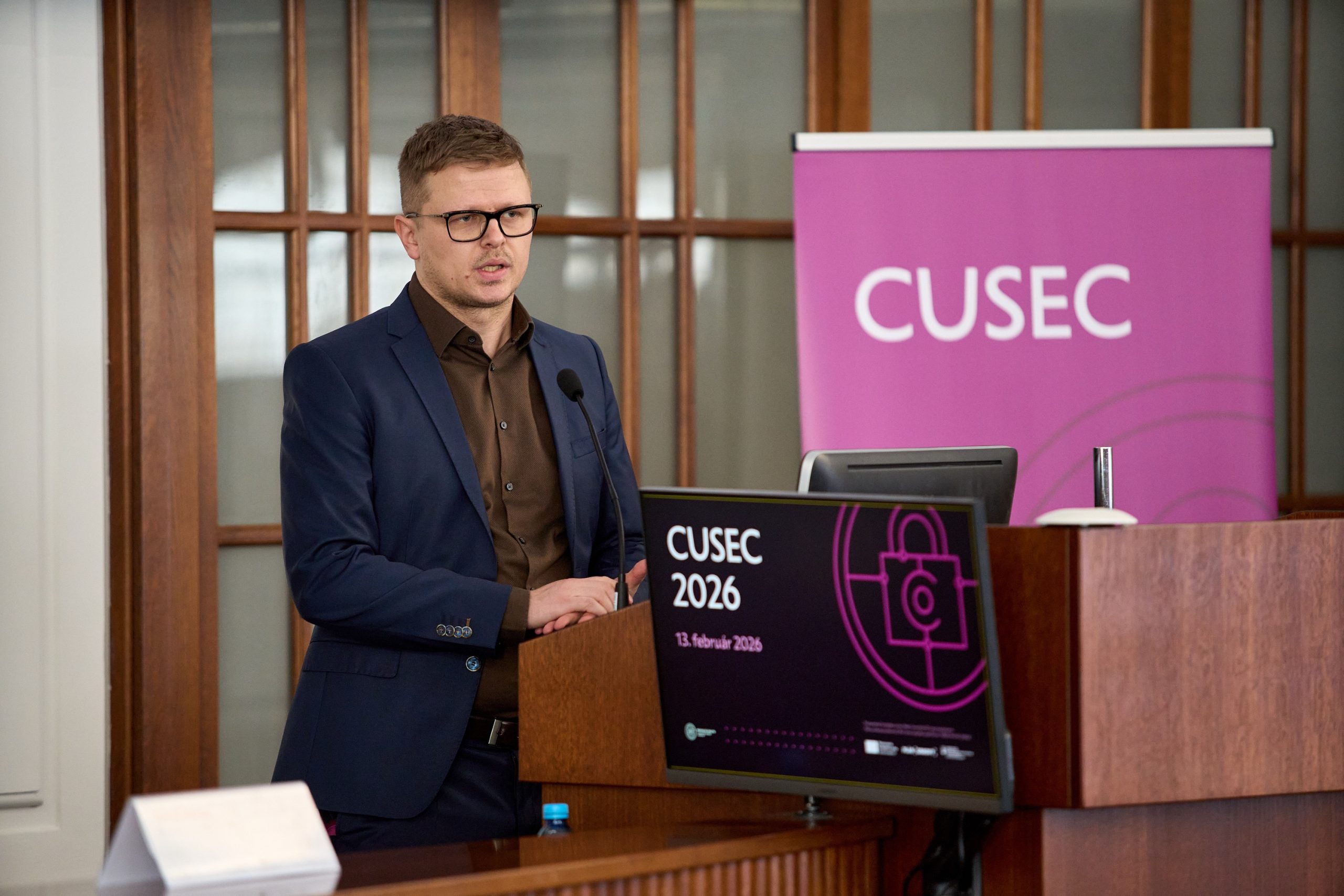
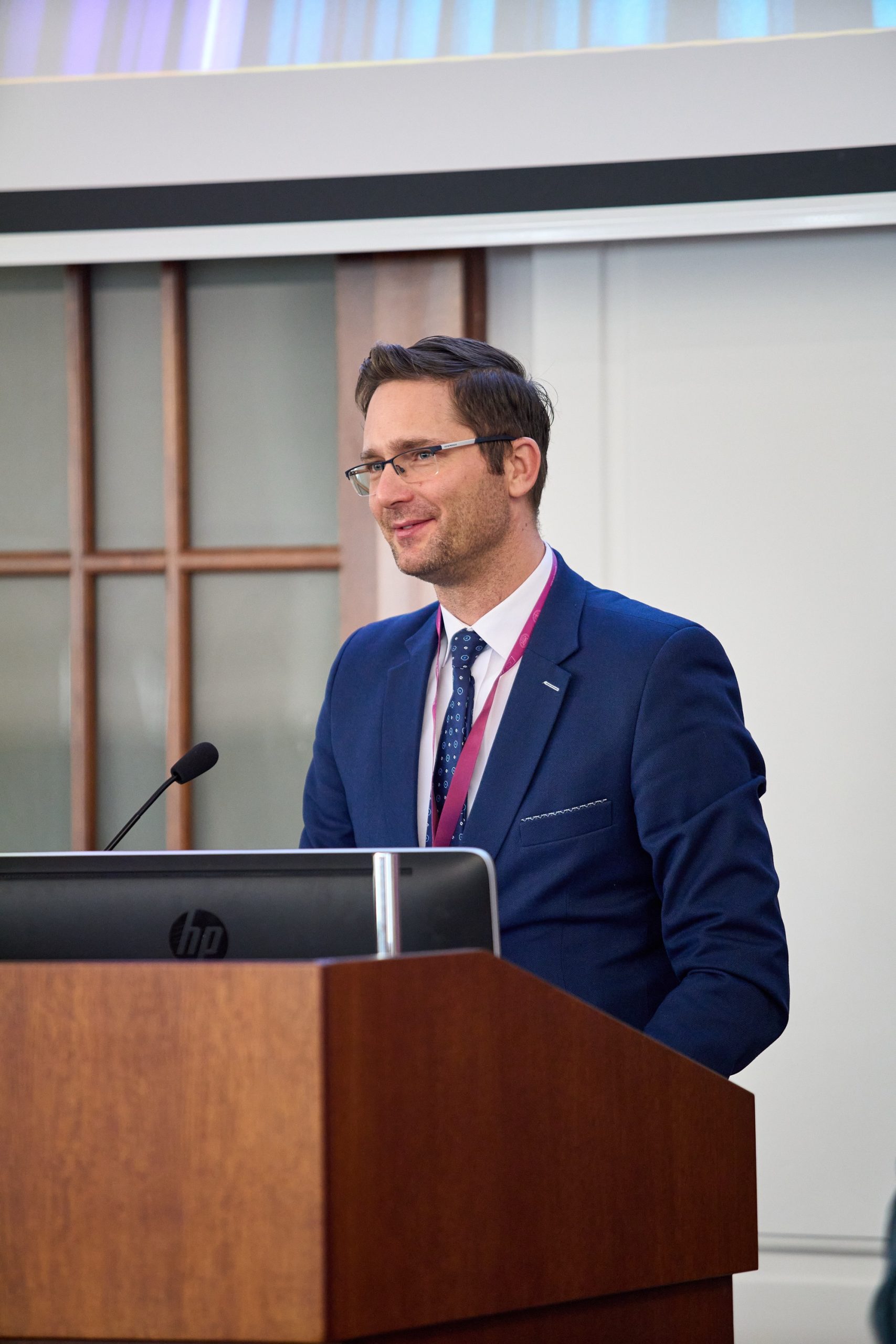
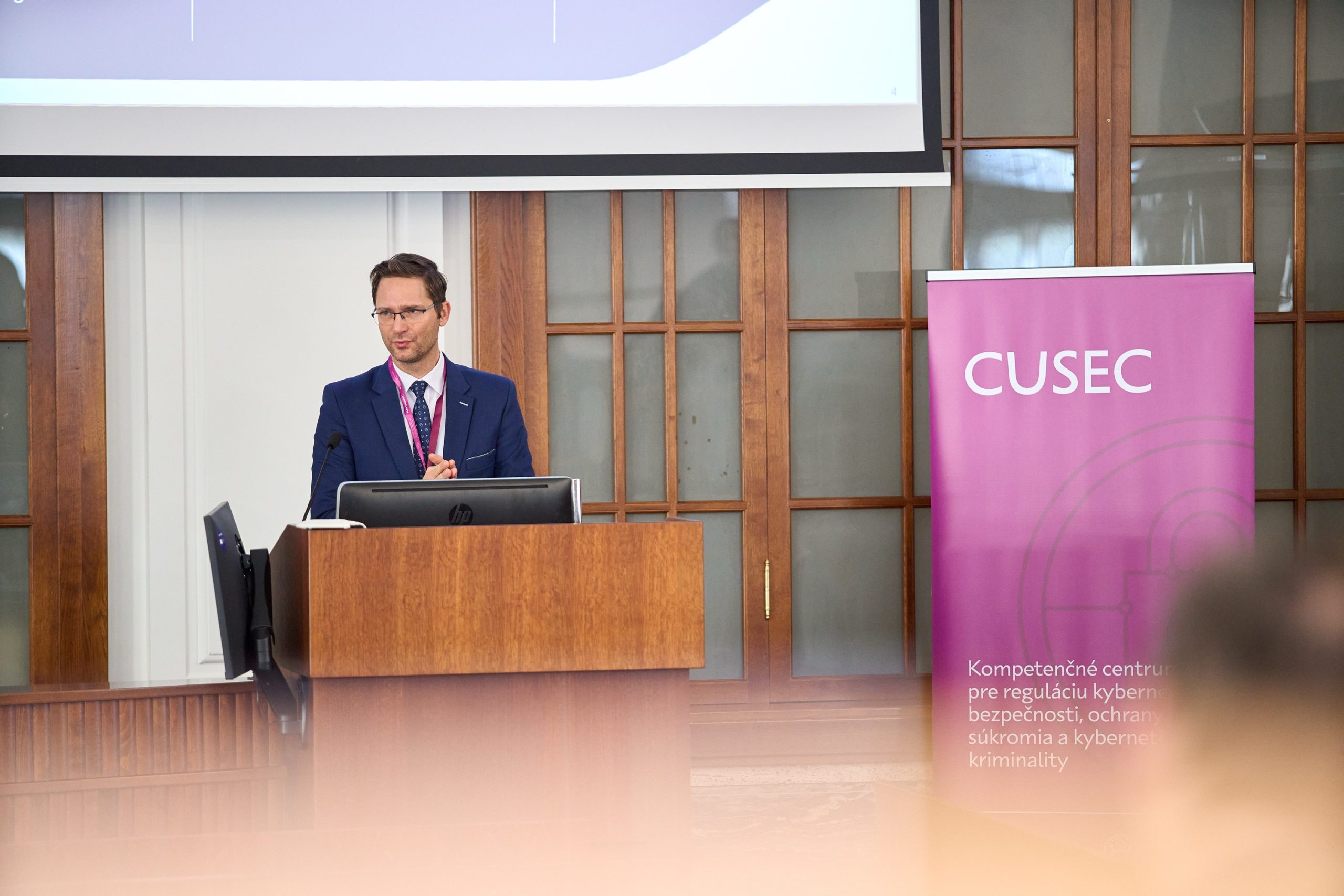
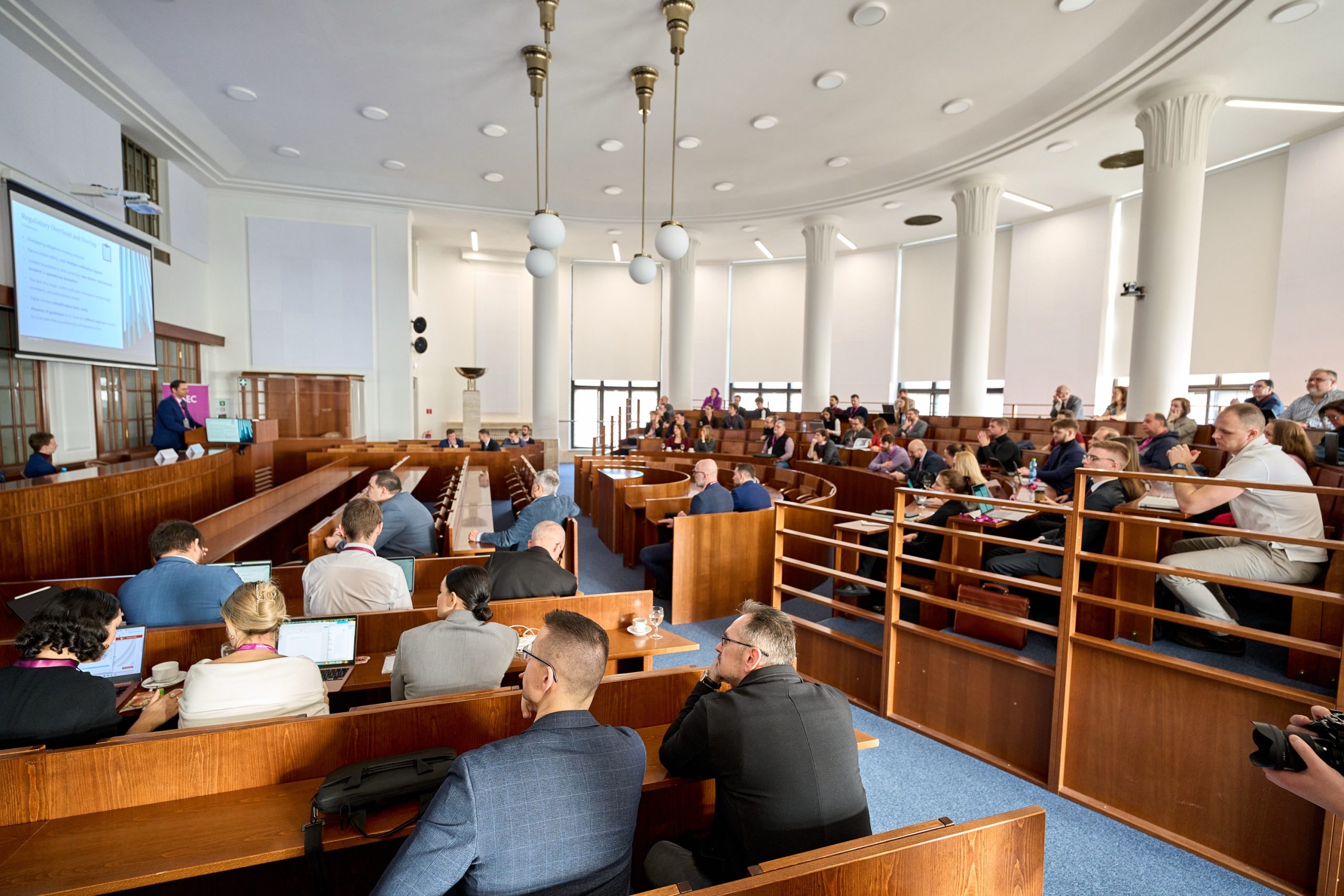
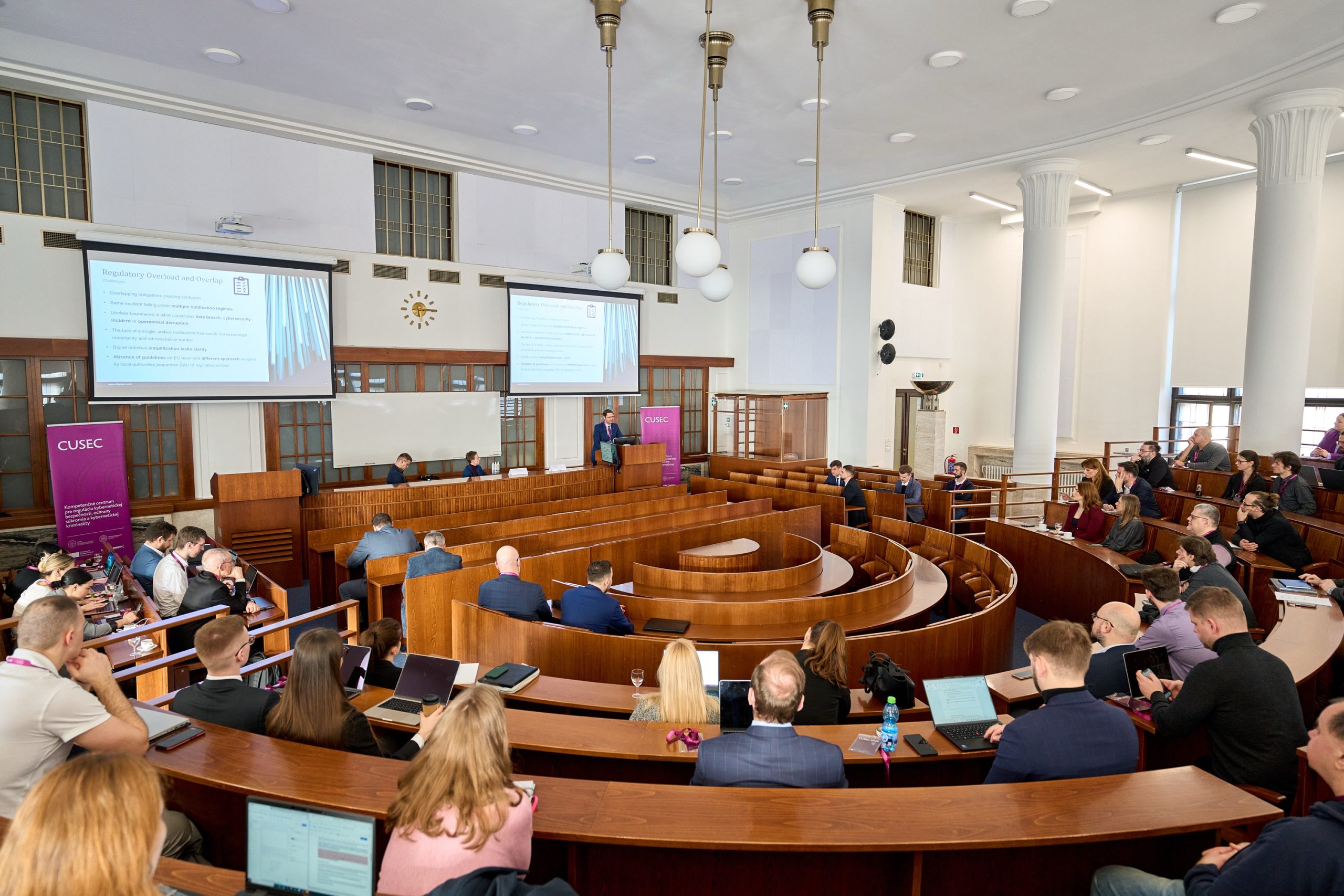
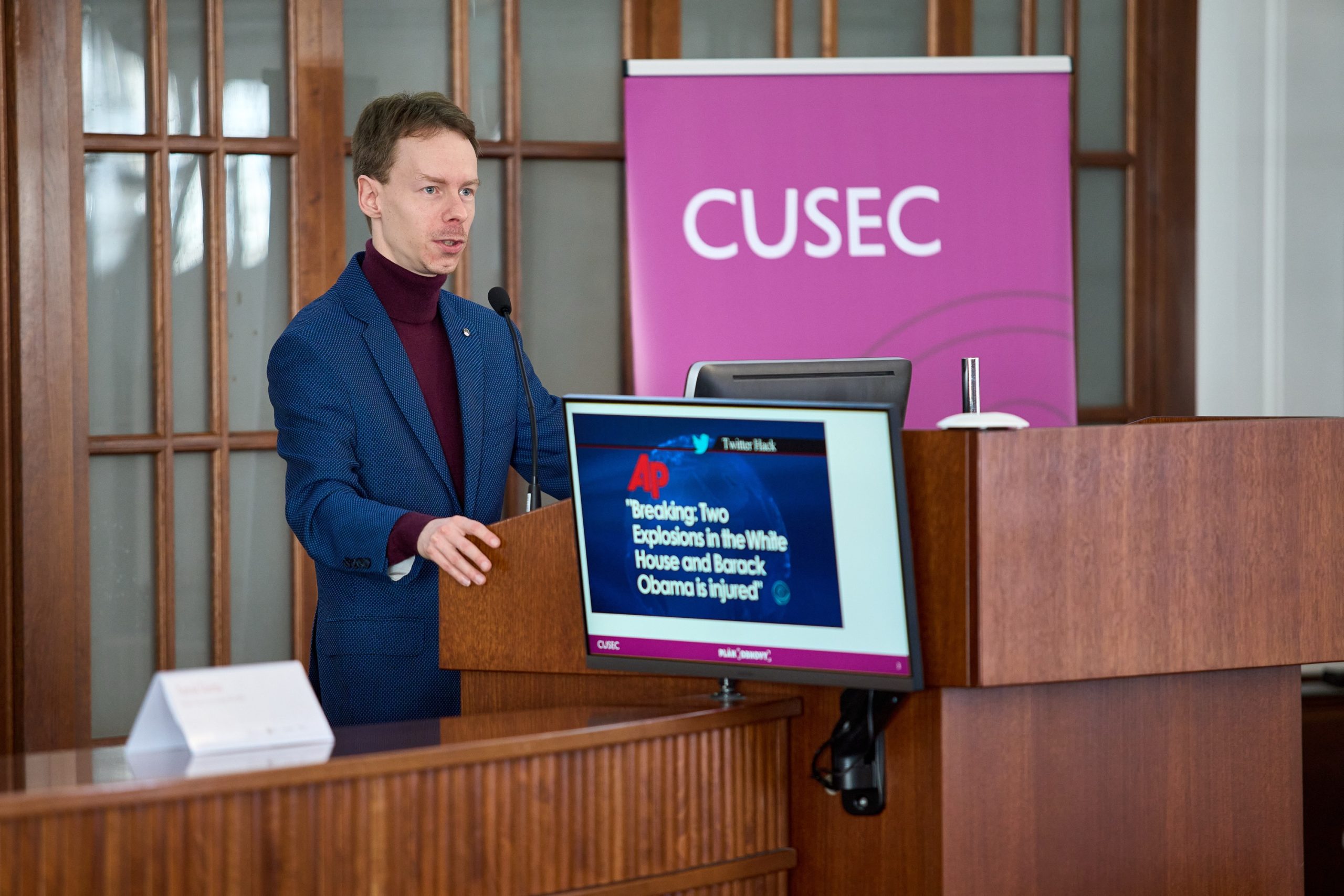
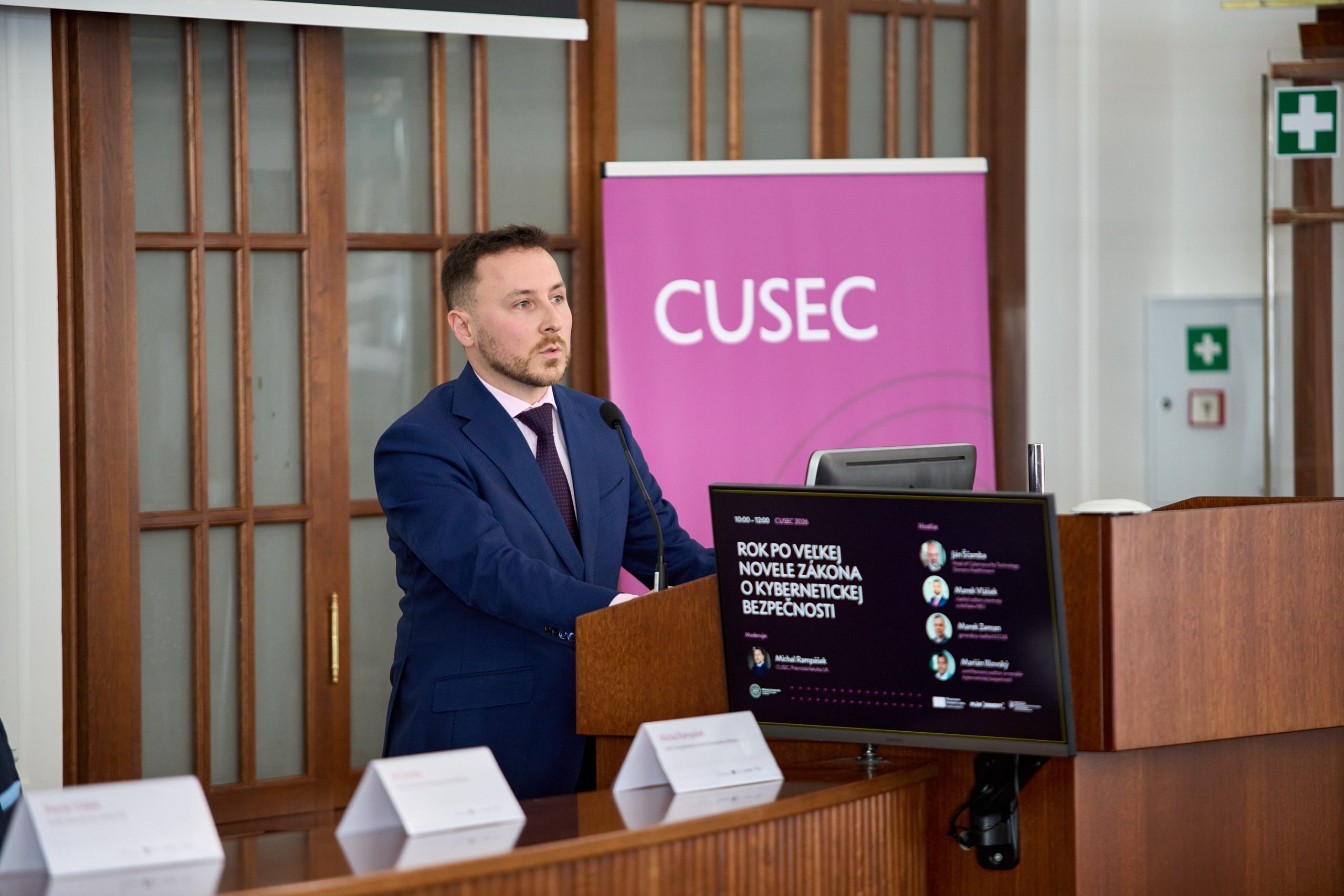
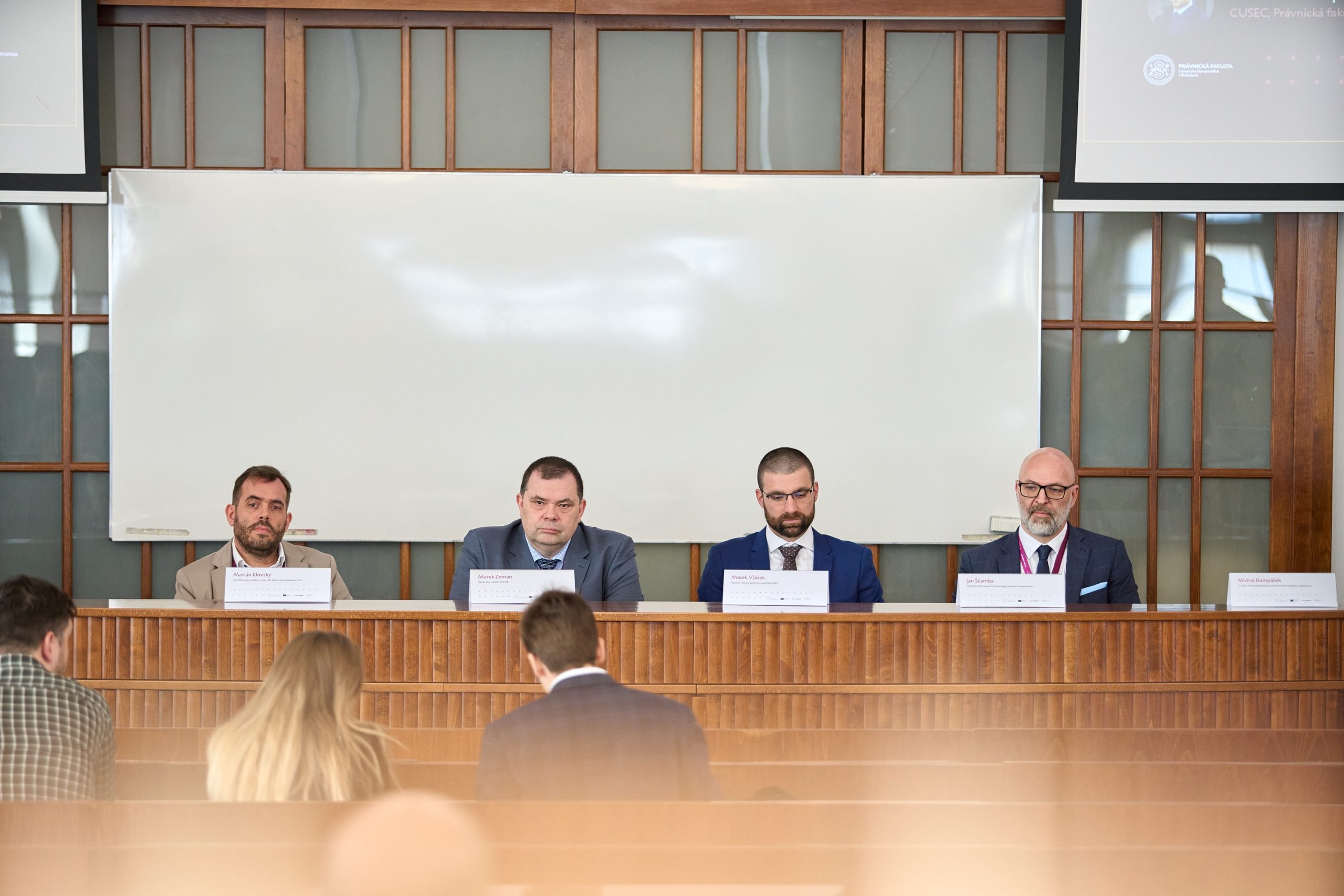
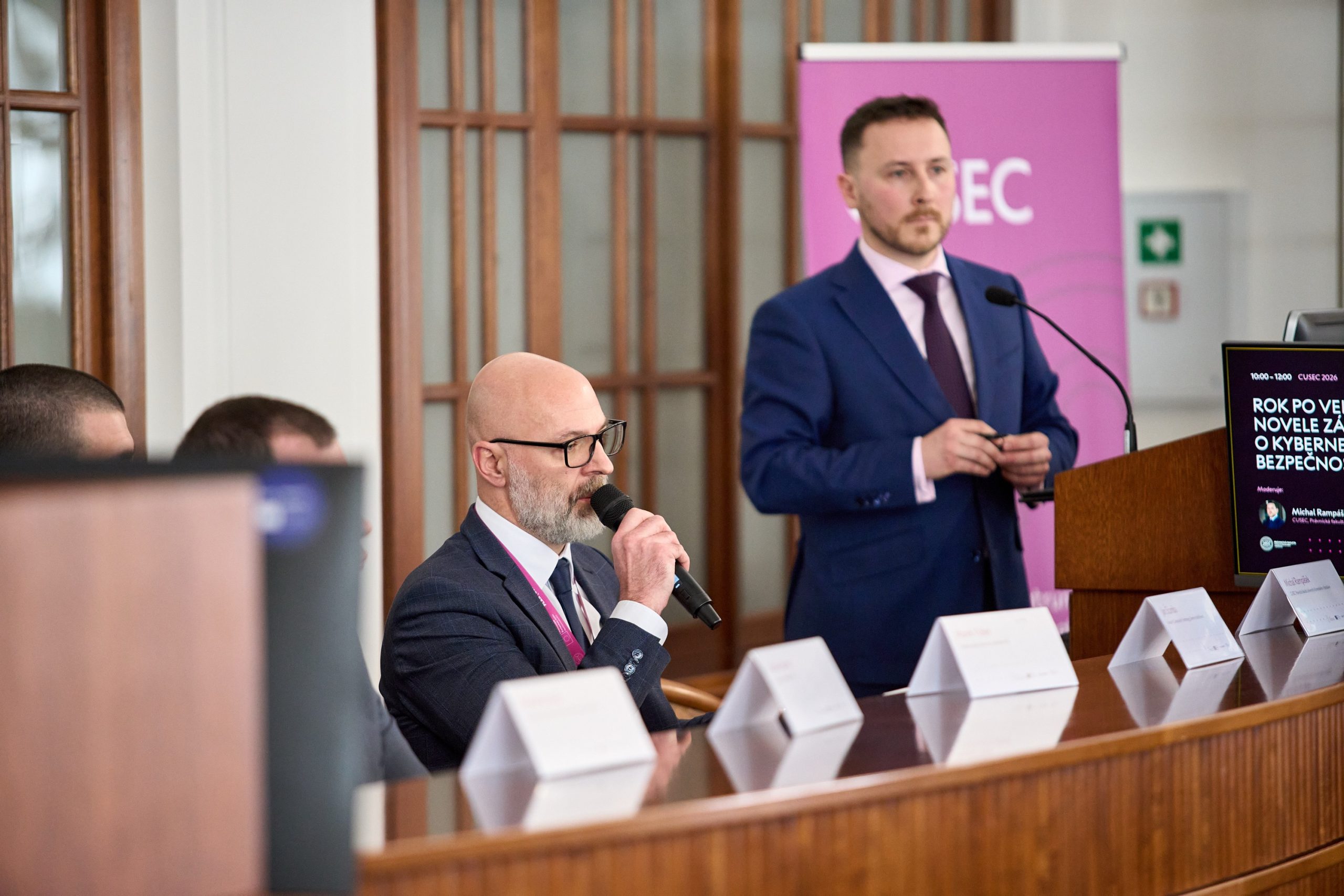
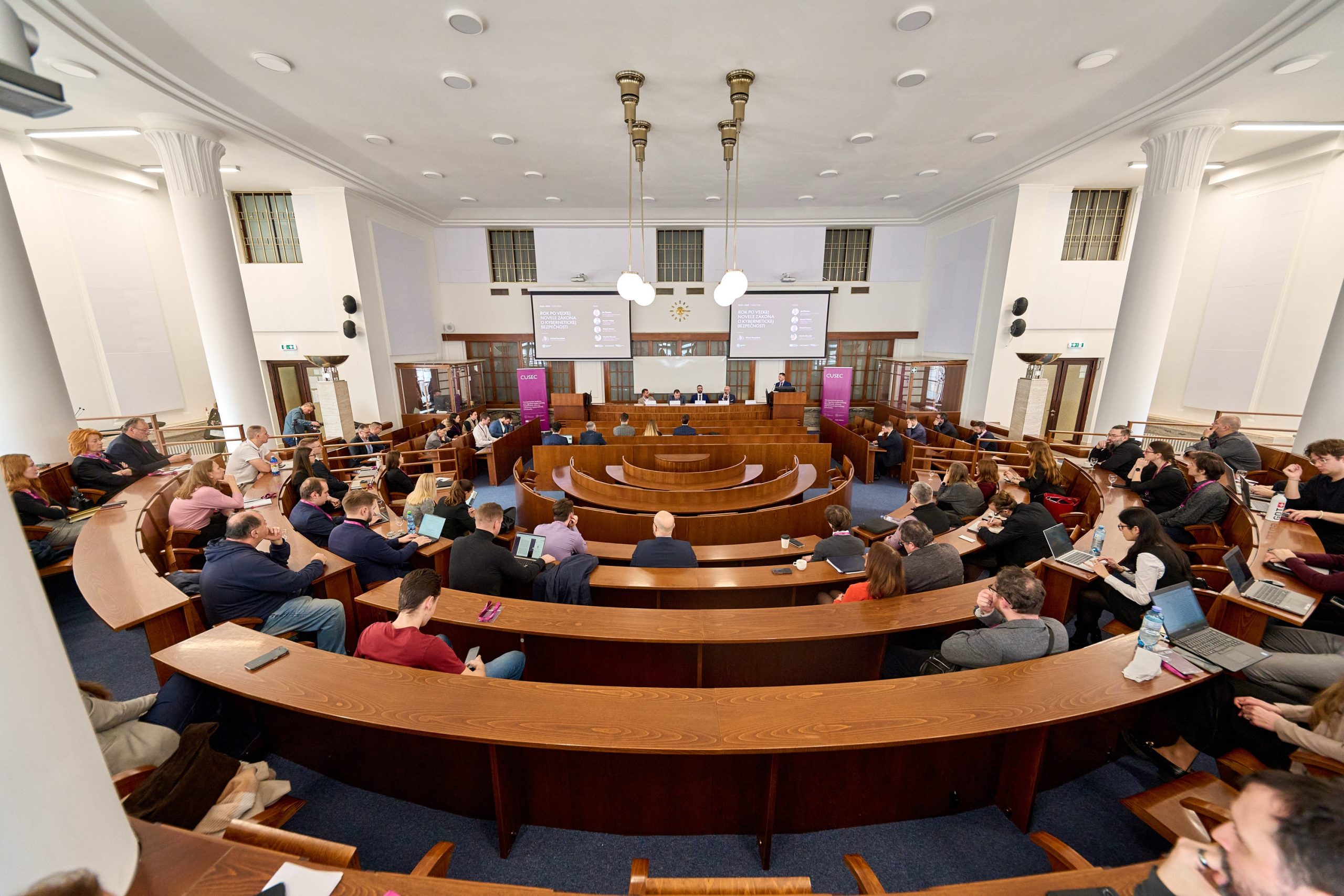
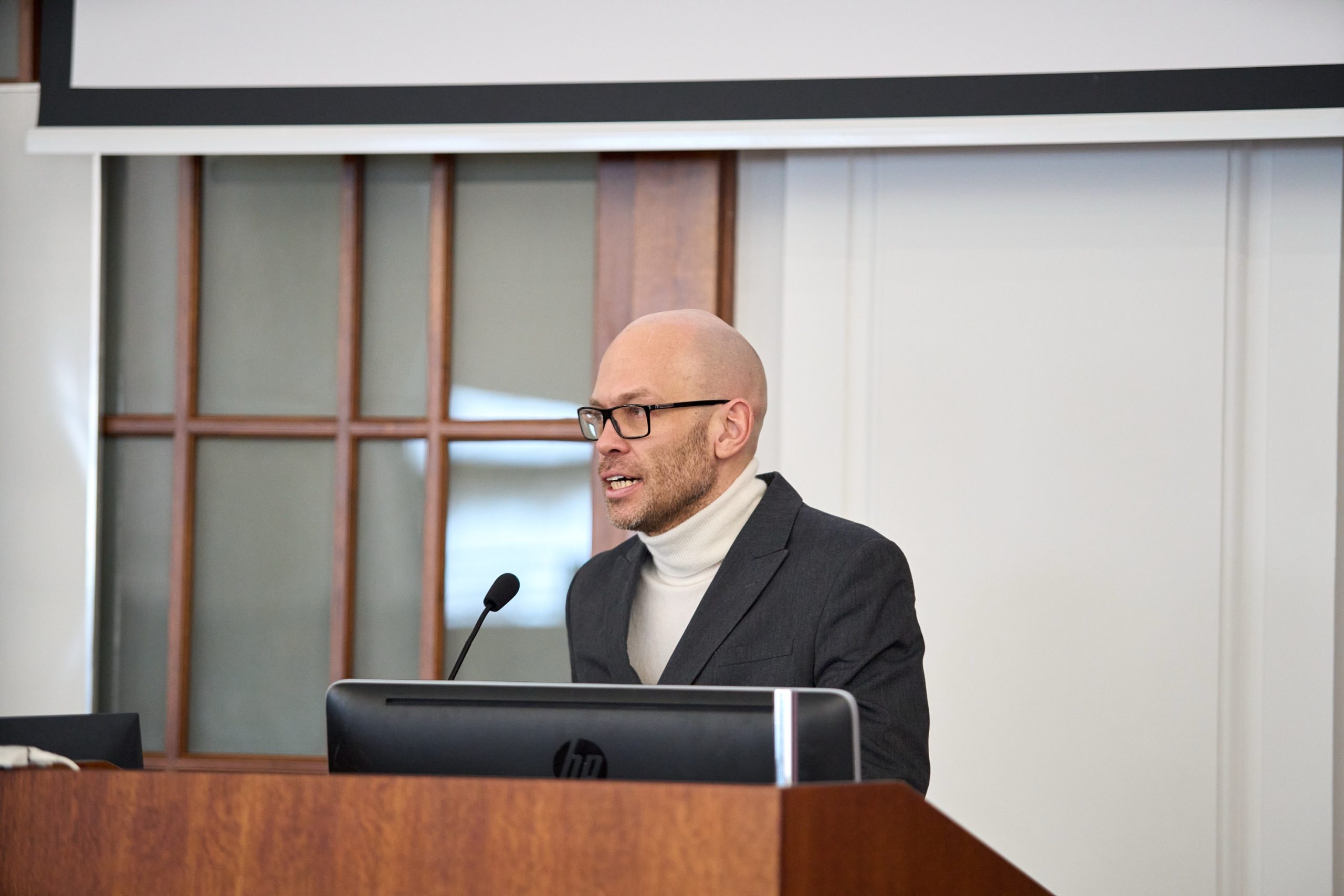
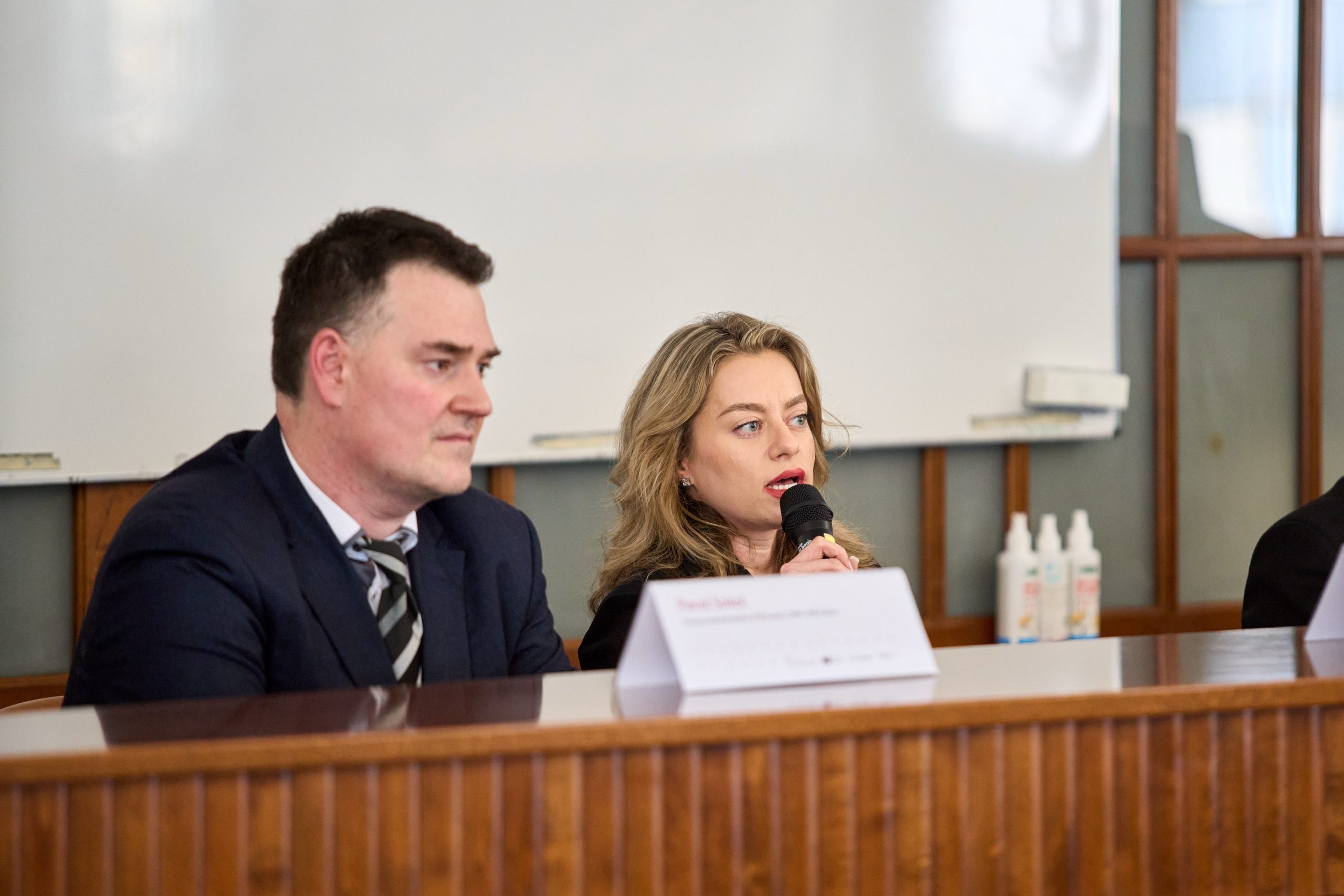
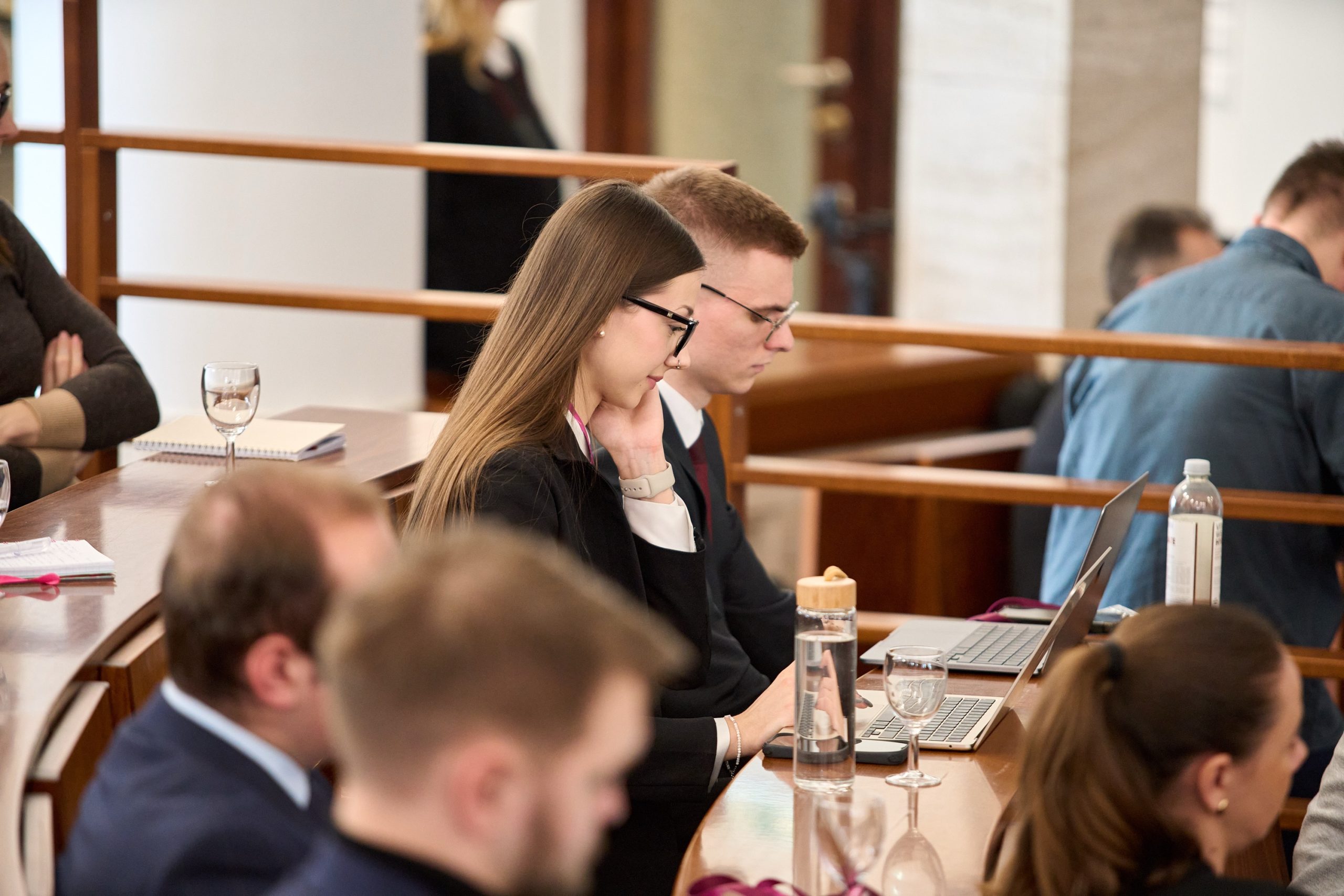
    We thank everyone who participated in the CUSEC 2026 conference, which took place in the CUSECU premises on Faculty of Law, Comenius University in Bratislava was characterized by inspiring discussions and professional lectures.

    This day was dedicated to deepening the professional dialogue between the academic community, regulators, public administration representatives and practitioners in the field of cybersecurity, privacy protection and the fight against cybercrime.

    👥 We thank the speakers, panelists and moderators for their great contributions and discussion inputs.

    📣 Thank you to the participants for their active participation, curious questions and sharing of experiences.

    We are looking forward to the next year! 🚀

  • Rozvíjame expertízu v oblasti kybernetických operácií a medzinárodnej bezpečnosti

    Rozvíjame expertízu v oblasti kybernetických operácií a medzinárodnej bezpečnosti

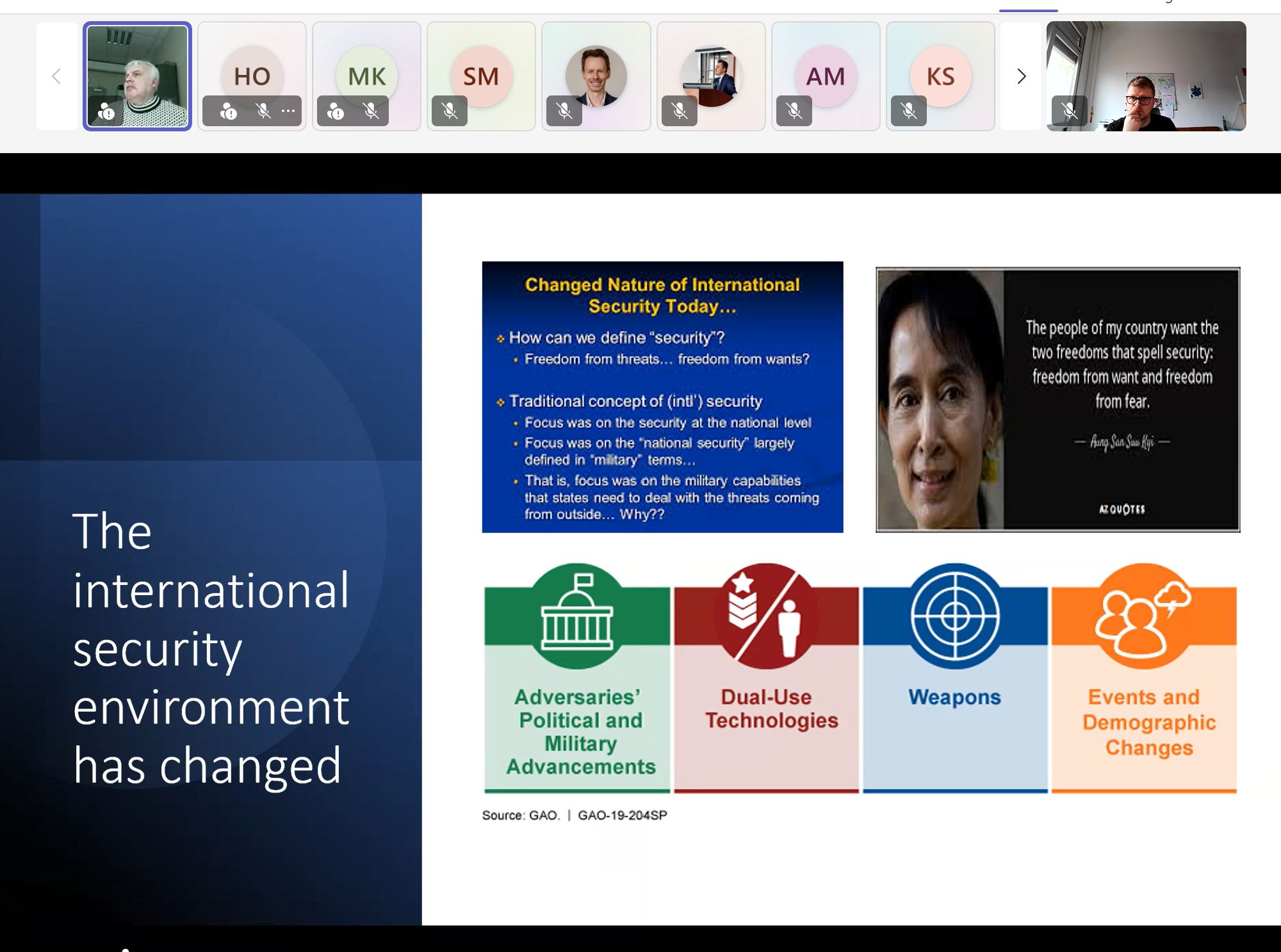
    Členovia riešiteľského kolektívu úspešne absolvovali externé odborné školenie Professional Training Course: Cyber Operations, Cyberspace and International Security 🛡️💻, ktoré organizovala Tallinn University of Technology (TalTech), Department of Law 🎓.

    Školenie sa zameriavalo na úlohu kybernetického priestoru v medzinárodných vzťahoch a bezpečnosti 🌍, vplyv kybernetických operácií na správanie štátov, medzinárodnú stabilitu a spoluprácu 🤝, ako aj na právne a politické rámce reagujúce na tieto výzvy ⚖️📜. Osobitná pozornosť bola venovaná pôsobeniu medzinárodných a regionálnych organizácií, ako sú OSN, EÚ a NATO 🏛️, pri formovaní noriem, politík a reakcií v kybernetickom priestore 🌐.

    Absolvovanie tohto školenia prispelo k prehĺbeniu právneho a analytického porozumenia kybernetických otázok 🔍, posilnilo schopnosť kriticky hodnotiť komplexné geopolitické a informačné kybernetické scenáre 🧠📊 a podporilo interdisciplinárnu komunikáciu v oblasti medzinárodného práva a bezpečnostnej politiky 💬⚖️.

    Školenie prebiehalo v anglickom jazyku a bolo ukončené certifikátom o absolvovaní 📄✅.

  • Školenie pre študentov Gymnázia s vyučovacím jazykom maďarským MTAG v Bratislave

    Školenie pre študentov Gymnázia s vyučovacím jazykom maďarským MTAG v Bratislave

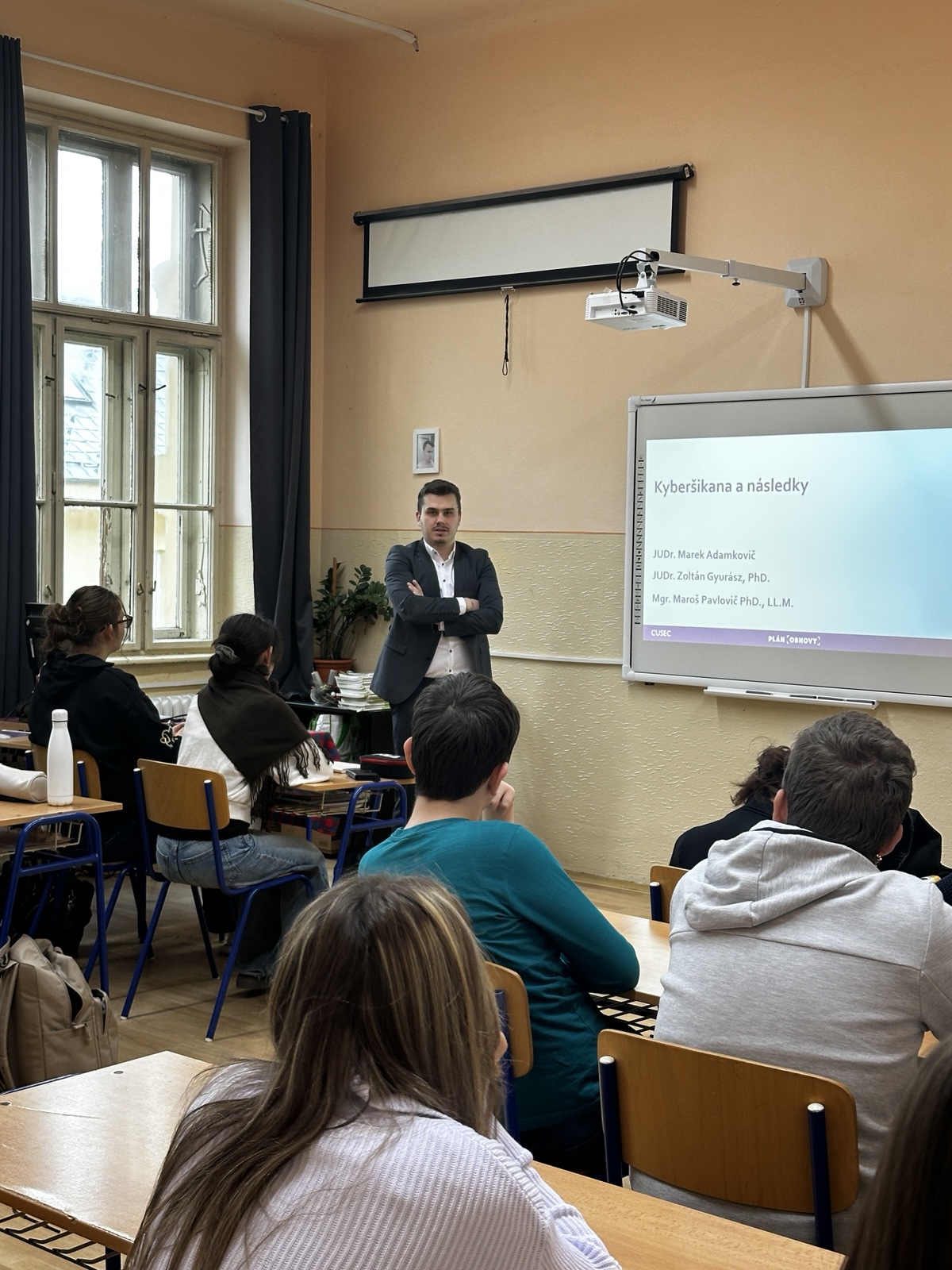
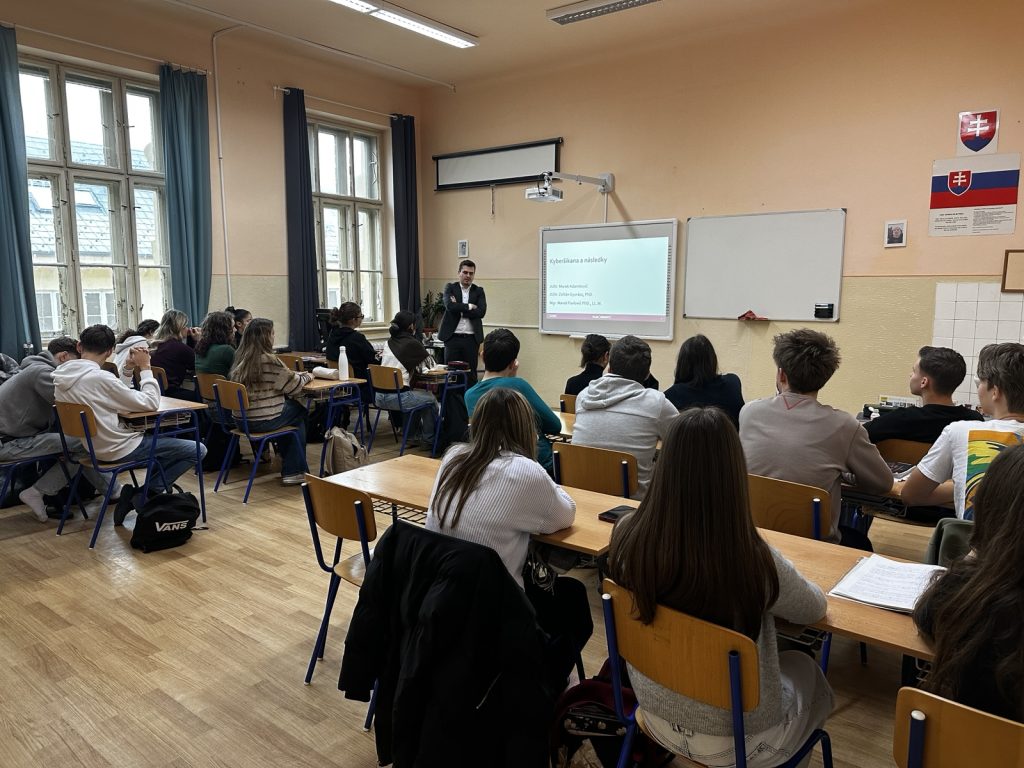
    Tím projektu CUSEC realizoval školenie pre študentov Gymnázia s vyučovacím jazykom maďarským MTAG, Dunajská 13, 814 84 Bratislava. Školenie bolo zamerané na tému kyberšikany a nadväzovalo na vzdelávacie aktivity projektu v oblasti zvyšovania povedomia mladých ľudí o bezpečnom a zodpovednom správaní v online priestore.

    Prednášajúci tím priblížil študentom základné formy kyberšikany, jej najčastejšie prejavy a riziká, s ktorými sa mladí ľudia môžu stretnúť pri používaní sociálnych sietí, komunikačných aplikácií a ďalších online platforiem. Osobitná pozornosť bola venovaná prevencii kyberšikany, možnostiam ochrany obete, ako aj tomu, ako správne reagovať v situáciách, keď sa študent stane obeťou alebo svedkom nevhodného správania v digitálnom prostredí.

    Súčasťou školenia bola aj diskusia o právnych, sociálnych a psychologických následkoch kyberšikany. Študentom boli predstavené praktické príklady zo života, prostredníctvom ktorých bolo možné lepšie porozumieť tomu, že online komunikácia môže mať reálne dôsledky mimo digitálneho priestoru. Dôraz bol kladený najmä na zodpovednosť používateľov internetu, rešpektovanie dôstojnosti iných osôb, ochranu súkromia a potrebu včasného vyhľadania pomoci.

    Študenti sa do školenia aktívne zapájali, reagovali na modelové situácie a diskutovali o skúsenostiach a problémoch, s ktorými sa mladí ľudia stretávajú v online prostredí. Interaktívny charakter školenia umožnil prepojiť odborné poznatky s praktickými otázkami každodenného používania digitálnych technológií.

    Realizácia školenia na Gymnáziu s vyučovacím jazykom maďarským MTAG potvrdila význam systematického vzdelávania stredoškolákov v oblasti kybernetickej bezpečnosti, digitálnej zodpovednosti a prevencie rizikového správania v online priestore. Takéto aktivity prispievajú k rozvoju právneho a bezpečnostného povedomia mladých ľudí a podporujú schopnosť študentov rozpoznať rizikové situácie, primerane na ne reagovať a chrániť seba aj ostatných.

    Školenie bolo realizované v rámci projektu „Kompetenčné centrum pre reguláciu kybernetickej bezpečnosti, ochrany súkromia a kybernetickej kriminality“ financovaného Európskou úniou Next GenerationEU prostredníctvom Plánu obnovy a odolnosti Slovenskej republiky v rámci projektu pod číslom 17R05-04-V01-00002.

  • Informácia o študijnom pobyte prof. Čentéša na Univerzite Karlovej, Právnickej fakulte v Prahe

    Information about the study stay of prof. Čenteš at Charles University, Faculty of Law in Prague

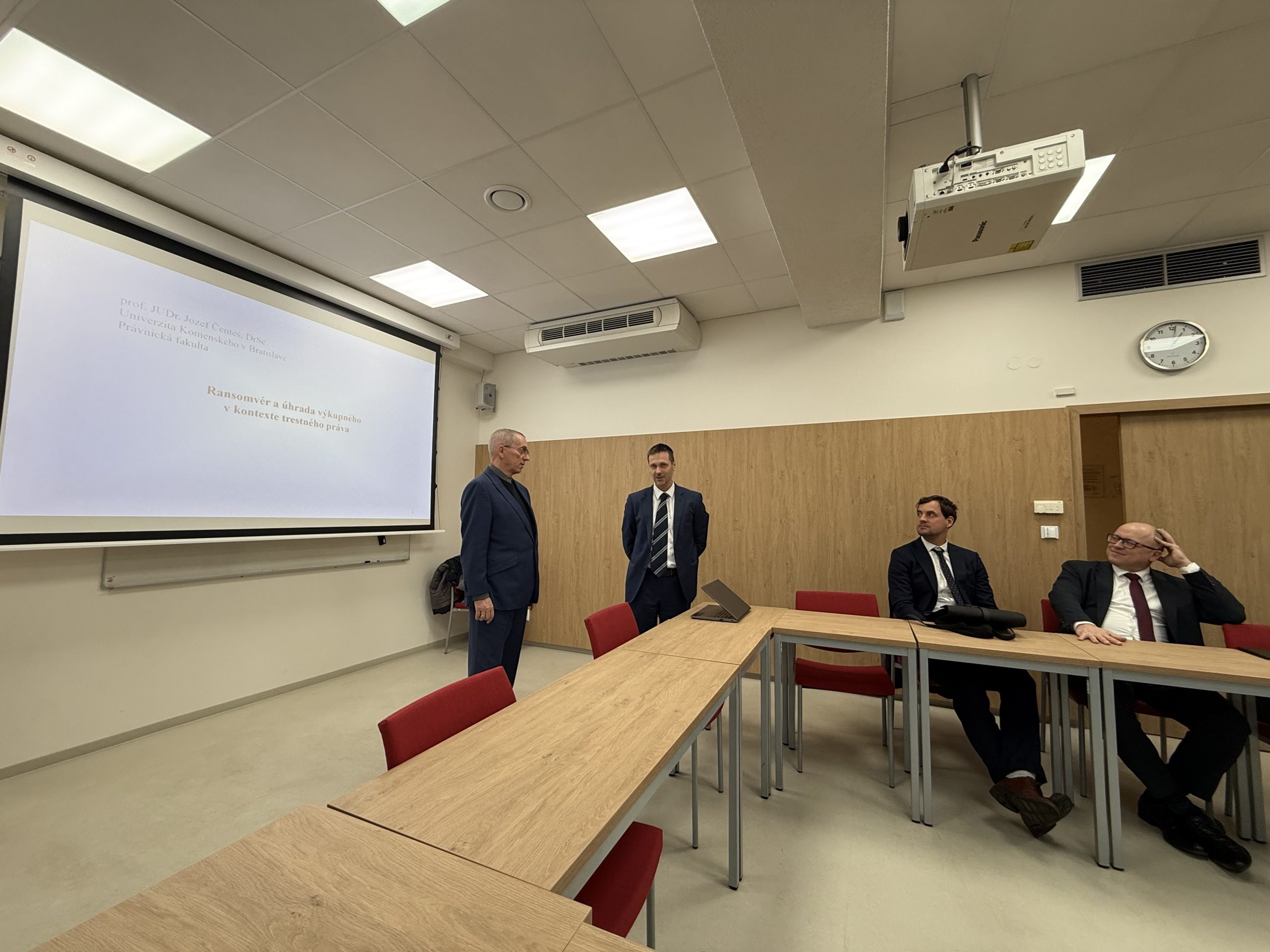
    In the days 12.-16.01. 2026 was attended by prof. JUDr. Jozef Čentéš, DrSc., head of the Department of Criminal Law, Criminology and Criminology of the Faculty of Law of the Comenius University Bratislava (hereinafter referred to as "Prof. Čentéš") of a study stay at the Department of Criminal Law of the Faculty of Law of Charles University in Prague (hereinafter referred to as the "Department") within the framework of project 17R05-04-V01-00002 - Competence Centre for Cybersecurity Regulation, of Privacy and Cybercrime (CUSEC).

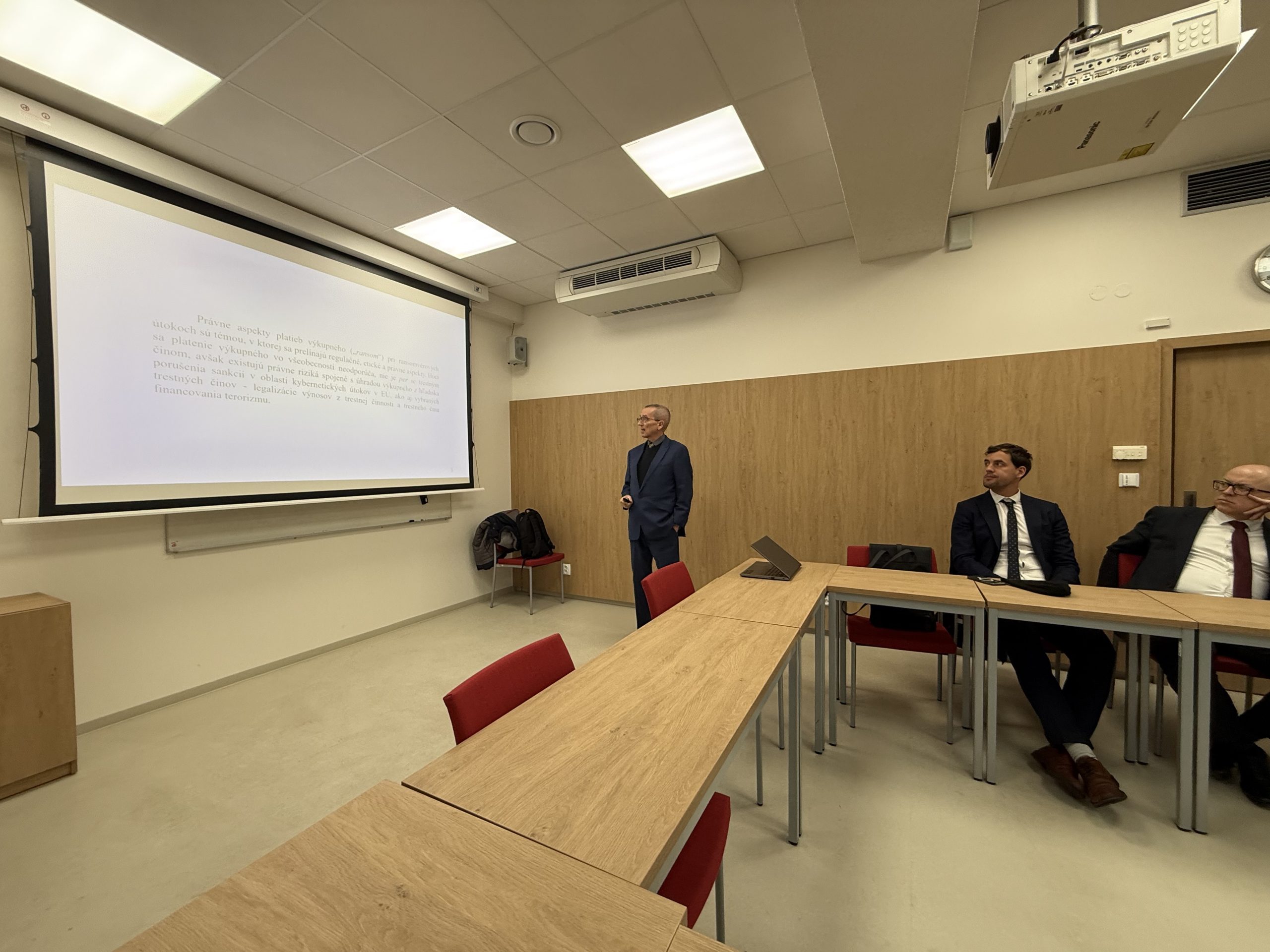
    The subject of the study stay was the scientific investigation of the inference of criminal liability in the context of cybersecurity. In connection with this issue, prof. Čentéš consulted on the conditions of the criminality of actions of entities in connection with the violation of regulations related to cybersecurity from the point of view of Czech legislation. As part of his study stay, he gave a requested lecture on the topic "Ramsonvér and the payment of ransom in the context of criminal law", which was taught to the teachers of the department and internal doctoral students (https://www.prf.cuni.cz/aktuality/prednaska-ransomver-a-uhrada-vykupneho-v-kontexte-trestneho-prava). During the discussion, he commented on the possibility of using extreme emergency in relation to subjects, which will pay the ransom due to the prevention of the risk of harm to the health of patients, which may occur in the event of non-payment of the ransom (e.g. hospitals).

    The study stay contributed to an increase in awareness of the Slovak legal regulation of inferring criminal liability in the context of cybersecurity, a comparison with the Czech legal regulation, and brought new knowledge that prof. You continue to do scientific research within CUSEC. The study stay also contributed to the deepening of international relations with colleagues from the partner department in Prague.